-
Continue reading →: Oromtittii Day 2026: Honoring Oromo Women
What a great way to recognize, uplift, and celebrate the strength, resilience, and contributions of Oromo women! Oromtittii Day! March 21st, 2026 1:00 PM See venue details below The Oromian Women Association, Advocacy for Oromia, and the Oromo Community in Australia are coming together to celebrate and honour Oromo women…
-
 Continue reading →: Oromo Peace in Oromia: Past, Present, and Future
An Enduring Indigenous Tradition of Peacemaking Confronts the Realities of War OROMIA, Ethiopia — The concept of peace holds a sacred place in Oromo culture. Known as Nagaa, peace is not merely the absence of conflict but a comprehensive state of wellbeing encompassing harmonious relationships between individuals, communities, and the…
-
 Continue reading →: “Love Starts with Understanding”: An Invitation to Cross-Cultural Connection
Subtitle: Join the Australian Religious Peace Academy (ARPA) for an Evening of Dialogue, Trivia, and Shared Insight In a world that often highlights our differences, we believe peace begins with a simple, courageous act: choosing to understand one another. We warmly invite you to the February Australian Religious Peace Academy…
-
 Continue reading →: The Labour of Life: Peace, Victory, and Legacy Explored
“The labour of Life is Not for the Self” – A Call to Collective Triumph The powerful Oromo proverb, delivered by Dr. Abera Dheressa, “Jiruu dhala namaaf nagaatu dursa. Nagaan Qotanii galfachuus ta’ee egeree keenyaaf murteessaadha,” translates to a profound and layered directive: “First, the labor of life is not…
-
Continue reading →: Oromo Voice for Peace: A Path to Justice and Harmony
Feature Commentary: The Oromo Voice for Peace in Oromia – A Testament to Resilience and Vision At a moment when simplistic headlines often reduce the story of Oromia to one of conflict, a deeper, more profound narrative pulses beneath the surface: the powerful and persistent Oromo voice for peace. This…
-
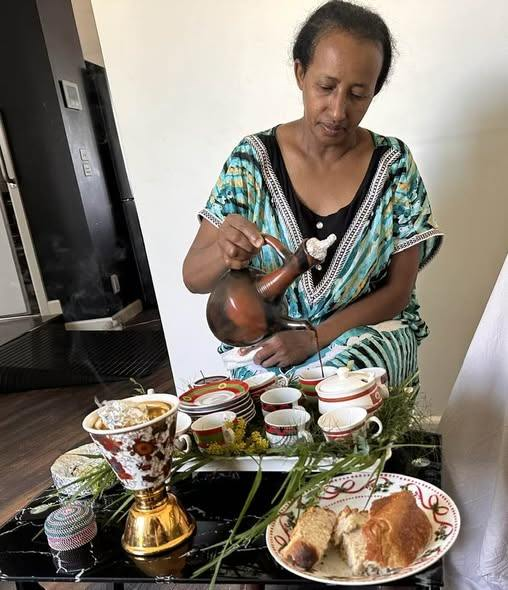 Continue reading →: Celebrating Peace and Renewal with Oromo Coffee Ceremony
A Commentary: The First Brew of the Year – Coffee, Peace, and an Unwavering Prayer We do not merely step into a new year. We usher it in, we invite it, we set the very table for its spirit. For many welcoming 2026, this meant fireworks, champagne toasts, and loud…
-
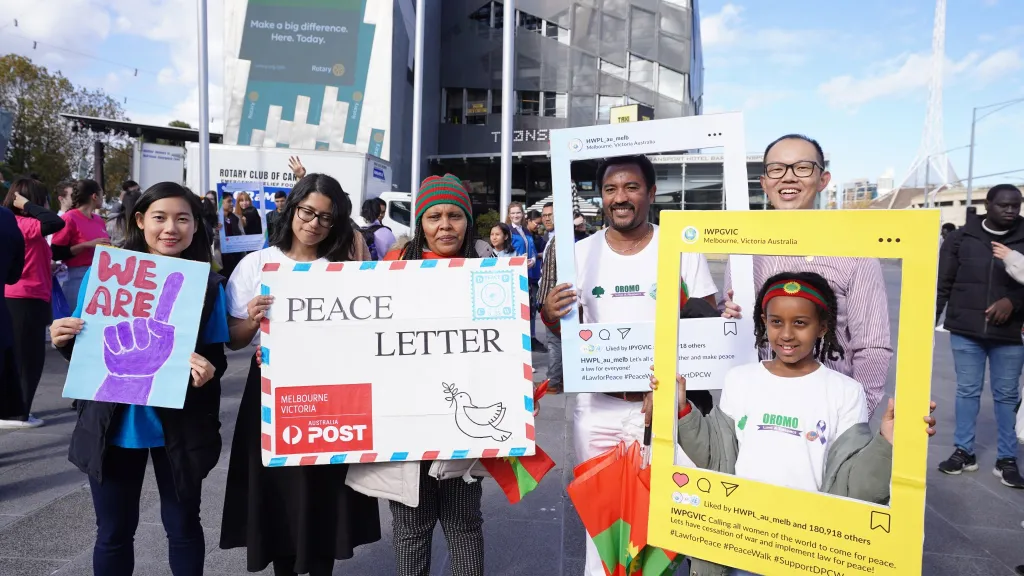 Continue reading →: Transforming Leadership: The Urgent Message for 2026
Feature Commentary: The Solemn Charge of 2026 – Beyond Strength, Toward Sanity By Yaadasaa Badhaasaa Kutuu The plea is simple, repeated like a mantra or a prayer: 2026, 2026, 2026. In these three repetitions, writer Yaadasaa Badhaasaa Kutuu captures a weary hope, a desperate focus, a pinpointing of time as…
-
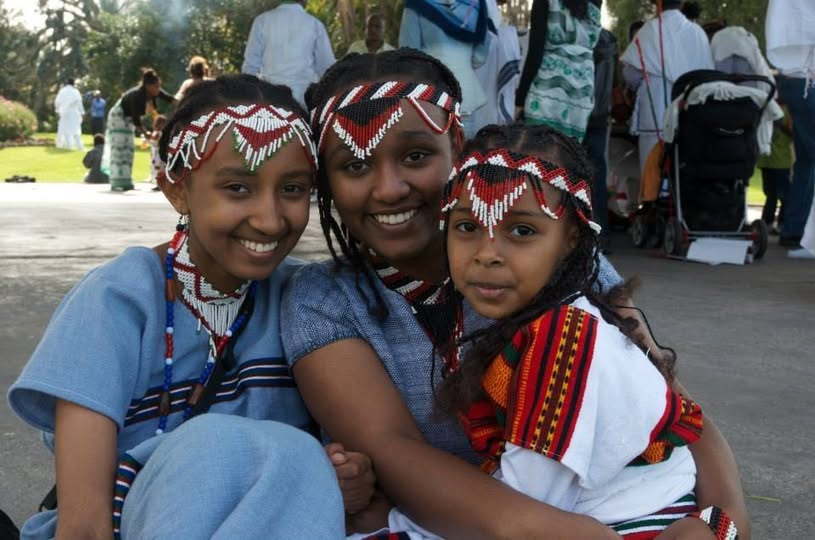 Continue reading →: The First Lesson: Why Teaching Peace is the Most Radical Act of Parenting
In the quiet chaos of a playground, a conflict erupts. Two children reach for the same swing, and the world holds its breath for a fraction of a second. Will it be a shove, a shout, or a tentative, “Can I have a turn?” In that moment, the foundational curriculum…
-
 Continue reading →: Sowing Seeds of Peace: A Partnership Rooted in Hope for Oromia
MELBOURNE, Australia – In the quiet hum of a meeting room, far from the tumultuous landscapes of their homeland, a group of Oromo advocates recently planted what they believe could be the seeds of a profound transformation. On February 4, 2023, members of Advocates for Oromia (A4O) sat down with…
-
 Continue reading →: Sowing Seeds of Harmony: Oromo Community in Victoria Partners for Peace Education
MELBOURNE, Australia — On a brisk autumn day in May, a meeting in a Melbourne community centre signified more than just a routine dialogue. It marked the confluence of two dedicated groups, united by a common language that transcends borders: the language of peace. On May 6, 2023, Advocates for…
-
 Continue reading →: The Unyielding Hearth: Why Peace is the Central Pillar of Oromo Identity
By Maatii Sabaa In a world often defined by conflict, the concept of peace can be reduced to a mere pause between wars, a political slogan, or a distant ideal. But for the Oromo people, the largest ethnic group in Ethiopia and the Horn of Africa, peace is not an…
-
 Continue reading →: The Unbroken Line: Perseverance and the Sacred Vow in the Heart of Oromia
By Dhabessa Wakjira A dusty road winds through the highlands of Oromia, flanked by fields of green and gold. The air is thick with the scent of earth and qilxuu (coffee) blossoms, but thicker still is the weight of a history lived and a future imagined. Here, political slogans are…
-
 Continue reading →: The Dual Mandate: Why True Nationalism Must Master the Art of Both War and Peace
In the popular imagination, nationalism is often a trumpet call to arms. It is the defiant flag planted on a hill, the rousing speech before a charge, the unwavering commitment to defend the homeland against any threat. This image is powerful, historic, and, in moments of existential crisis, essential. But…
-
Continue reading →: Solidarity with the Australian Jewish Community
We are proud to join our voice with more than 200 civil society organisations in signing a national statement of solidarity with the Australian Jewish community, representing millions of people across Australia who stand united against hate. Civil society statement of solidarity with the Australian Jewish community
-
 Continue reading →: On the True Value of Peace
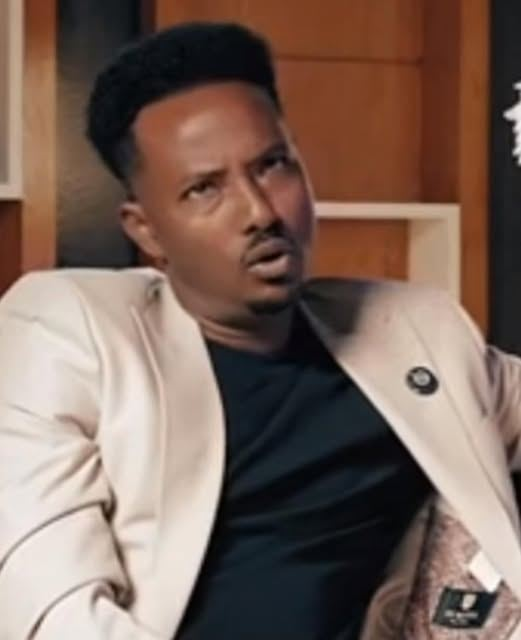
“Everyone must come to recognize the profound value of peace.Within peace lies everything we seek:Health flourishes,Happiness blossoms,Economies thrive,And true social harmony becomes possible.” — Artist Galana Garomsa, from the Marga show
-
 Continue reading →: Understanding Peace: Keys to Prosperity and Hope
Everyone should know the value of peace. What is there in peace? This is a profound and essential question. Peace is not just the absence of war—it is the presence of conditions that allow human potential, dignity, and happiness to flourish. If we ask “What is there in peace?”, the…
-
 Continue reading →: Peace Education in Action
PEACE EDUCATION IN ACTION This is an outstanding and practical framework for Peace Education in Action. Each principle moves from theory to tangible practice. Below is an expanded explanation of each point, showing how to implement them, especially in a context like Oromia. Peace Education in Action: A Practical Guide…
-
Continue reading →: How do we promote a Culture of Peace?
It is necessary to use the mass media, mainstream and adult schools, justice structures, health and environmental protection to promote a culture of peace. Your statement provides a powerful and concrete institutional roadmap. Building on this, here is an integrated strategy for how to leverage these key sectors to systematically…
-
 Continue reading →: Understanding the foundations of Peace
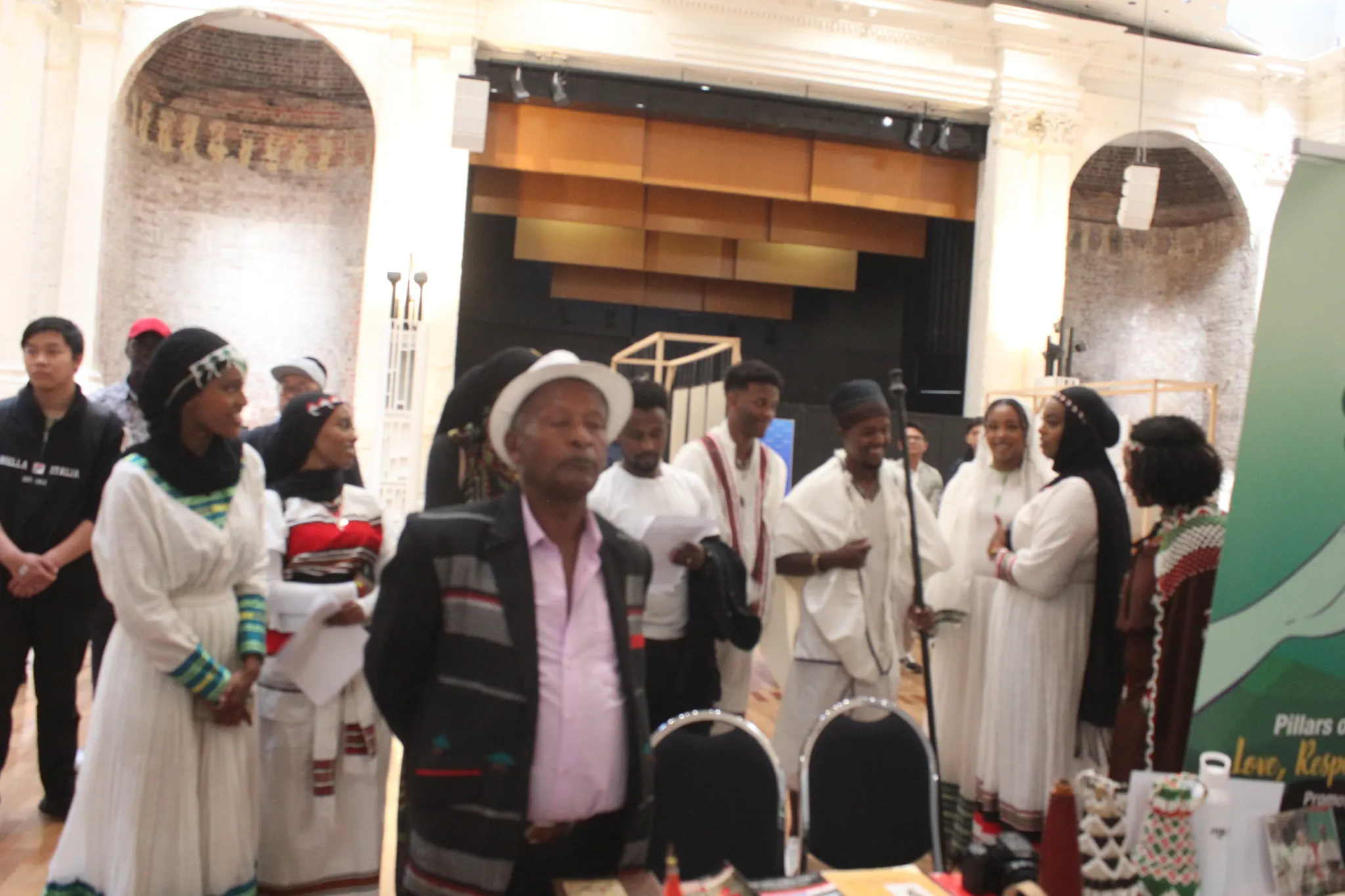
2. Language and language use 2.1 Role of culture 2.2 Role of Religion Excellent and comprehensive outline. These are indeed the foundational pillars upon which any durable peace must be built. Let’s expand this into a cohesive framework, connecting these elements to show how they collectively construct peace, especially in…
-
Continue reading →: What are the five approaches to peace?
Peace Paradigms: Five Approaches to Peace This is an excellent framework of “Peace Paradigms” by scholar Chadwick F. Alger, which outlines five distinct philosophies or strategies for achieving peace. Let’s explore each in detail, with practical examples and analysis of their strengths and limitations. The Five Approaches to Peace 1.…
-
 Continue reading →: Promoting Oromo Culture and Peace at the Multicultural Festival
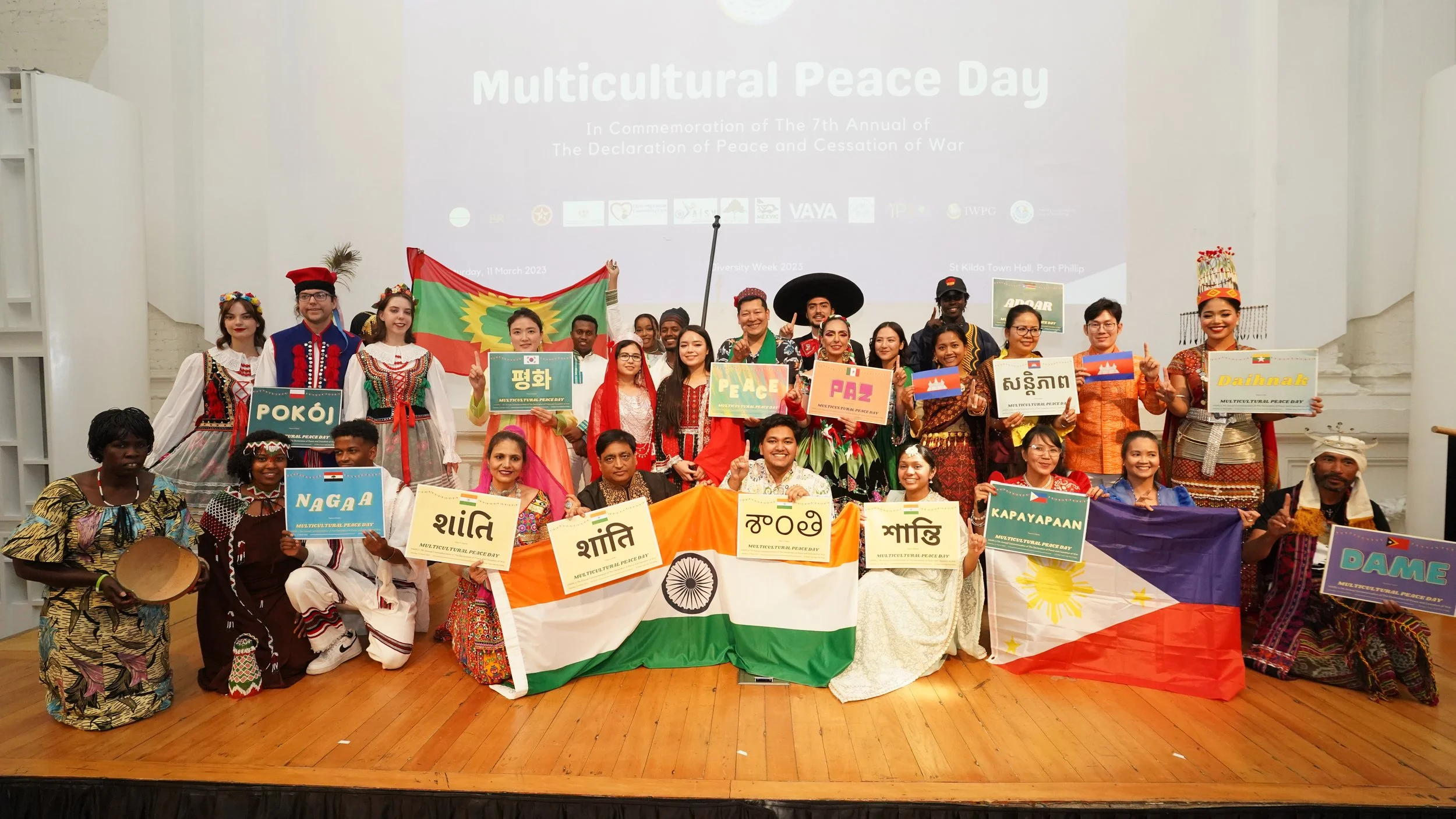
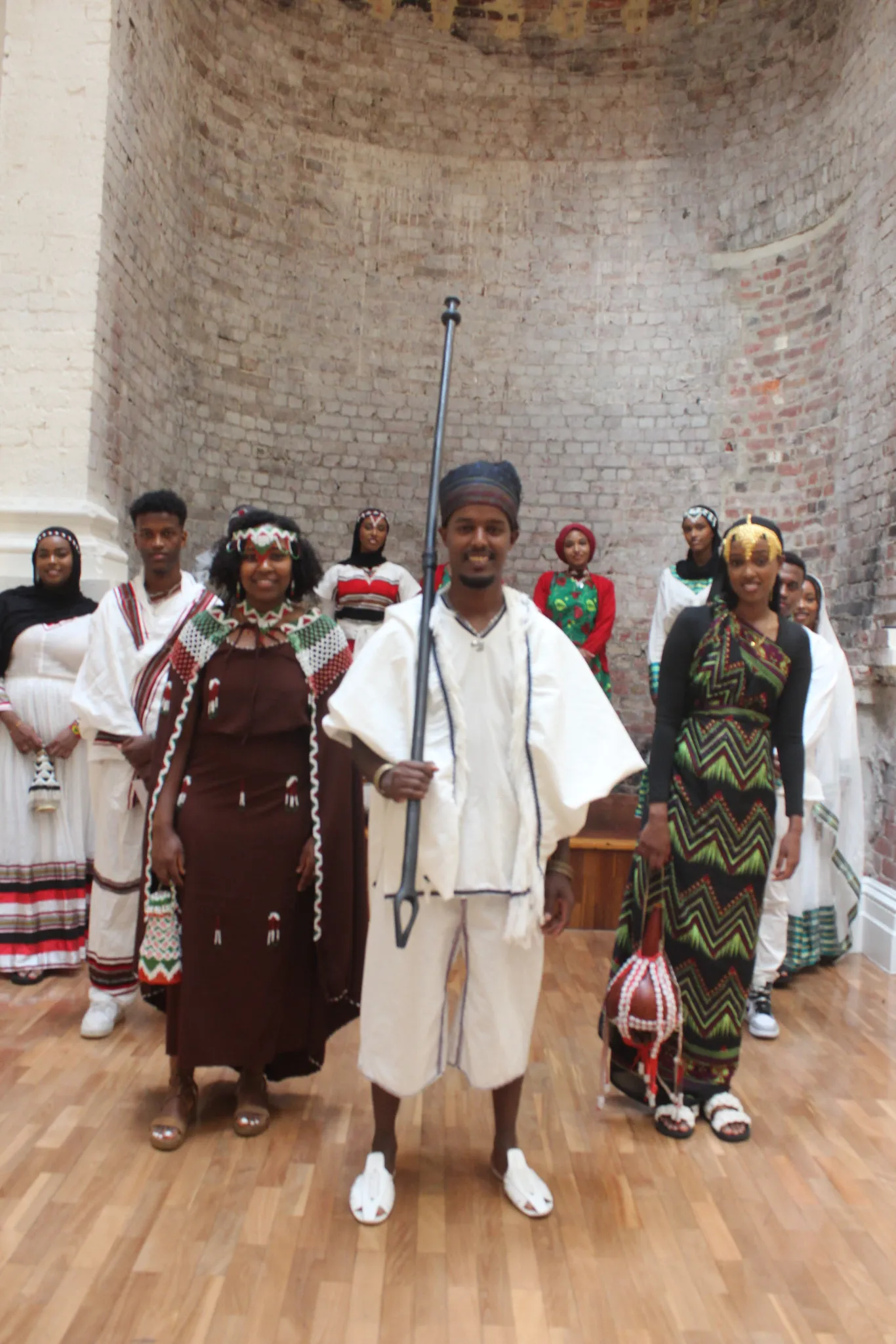
(Melbourne, 11/03/2023) Melbourne Australian Oromo youths promote Oromo and Oromia at the Multicultural Peace Festival. The Multicultural Peace Day was a celebration that brought different communities and cultures together in Melbourne. As part of the 7th commemoration of the Declaration of Peace and Cessation of War (DPCW), HWPL invited communities,…
-
Continue reading →: Four Key Components of Peace Education
What are the four components of peace education? It will explore the formula for peace and outline four tasks required in its creation—constructing equity, constructing harmony, reconciling past trauma, and resolving present conflict. You have presented a powerful and action-oriented model for peace education. Let’s explore these four essential components…
-
Continue reading →: What are the three characteristics of peace?
“Peace” is used to describe the cessation of violent conflict. Peace can mean a state of quiet or tranquility— an absence of disturbance or agitation. Peace can also describe a relationship between any people characterized by respect, justice and goodwill. Peace can describe calmness, serenity, and silence. Based on the…
-
Continue reading →: Cultivating a Culture of Peace in Oromia
Promoting a Culture of Peace—especially in a context like Oromia, where conflict and resilience coexist—requires shifting collective values, narratives, and behaviors from within. It means embedding peace (Nagaa) so deeply into daily life, institutions, and identity that it becomes the default way of being. Here is a comprehensive, actionable framework…
-
 Continue reading →: Building Peace in Oromia: Family, Community, Neighbors
Oromo peace can be realized in three aspects. If it is made to flourish first among the families, then among the Oromo, and finally to the neighbors of Oromia, there can be a foundation of peace. First, peace grows in the family. Such peace is the foundation of peace in…
-
 Continue reading →: Cultivating Peace: The Role of Family in Oromia
“Peace grows in the family” recognizes that societal peace is not built in parliaments or battlefields first, but in the home—the first school of human relations. To extend this to guaranteeing peace in Oromia, we must see the family as the foundational cell of the larger social organism. Here is…
-
Continue reading →: HWPL Celebrates Culture and Diversity Through Commemorating The Declaration of Peace and Cessation of War (DPCW)
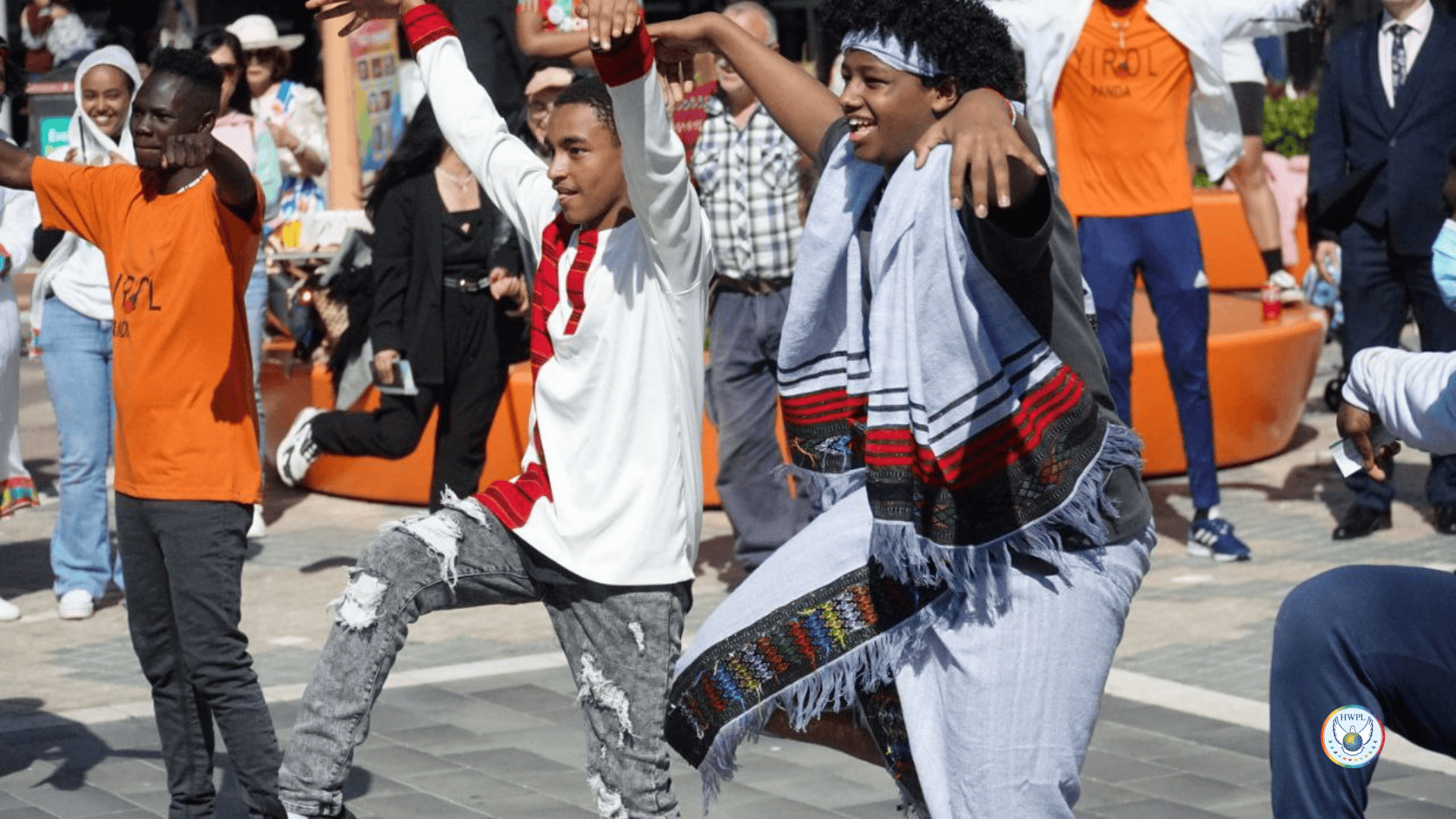
The International Peace NGO, Heavenly Culture, World Peace, Restoration of Light (HWPL) Victoria hosted the ‘Multicultural Peace Day’ on Saturday, March 11th 2023, at St Kilda Town Hall, City of Port Phillip. This event was co-hosted with partner organisation, International Women’s Peace Group (IWPG) and affiliate group International Peace Youth…
-
 Continue reading →: HWPL Round Table Discussion in Peace Education, International Law and Human Rights: Fostering Multi-level Dialogue and Solutions for Peace
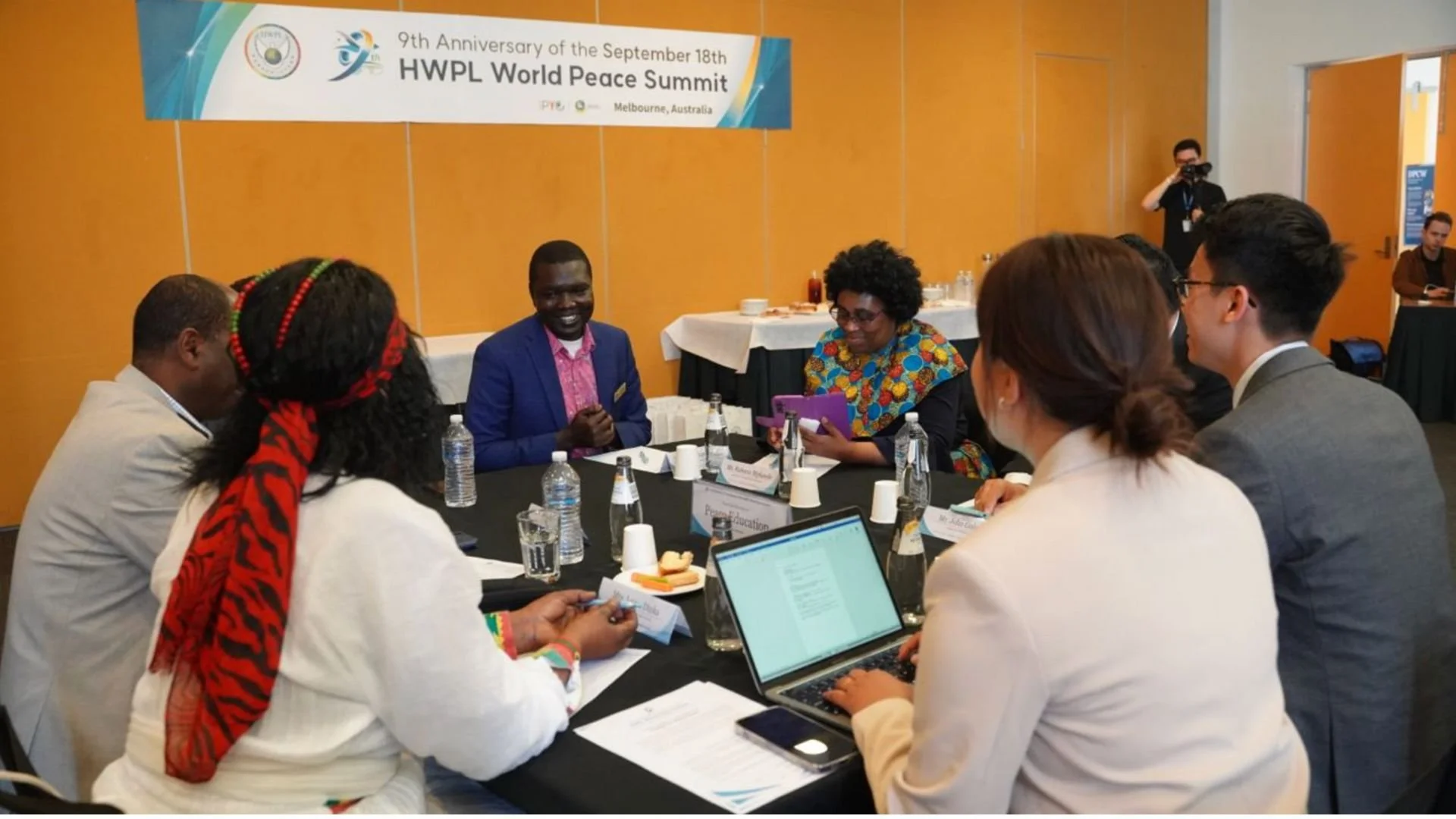
Heavenly Culture, World Peace, Restoration of LIght (HWPL) Victoria, an international NGO affiliated with UNESCO, held the Round Table Discussion in the Dandenong Civic Centre, Dandenong on Saturday, 23 September 2023. The event was attended by prestigious figures from different levels of society engaging in the discussion. The round table…
-
Continue reading →: Celebrating Harmony and Diversity: The Multicultural Peace Village in Dandenong
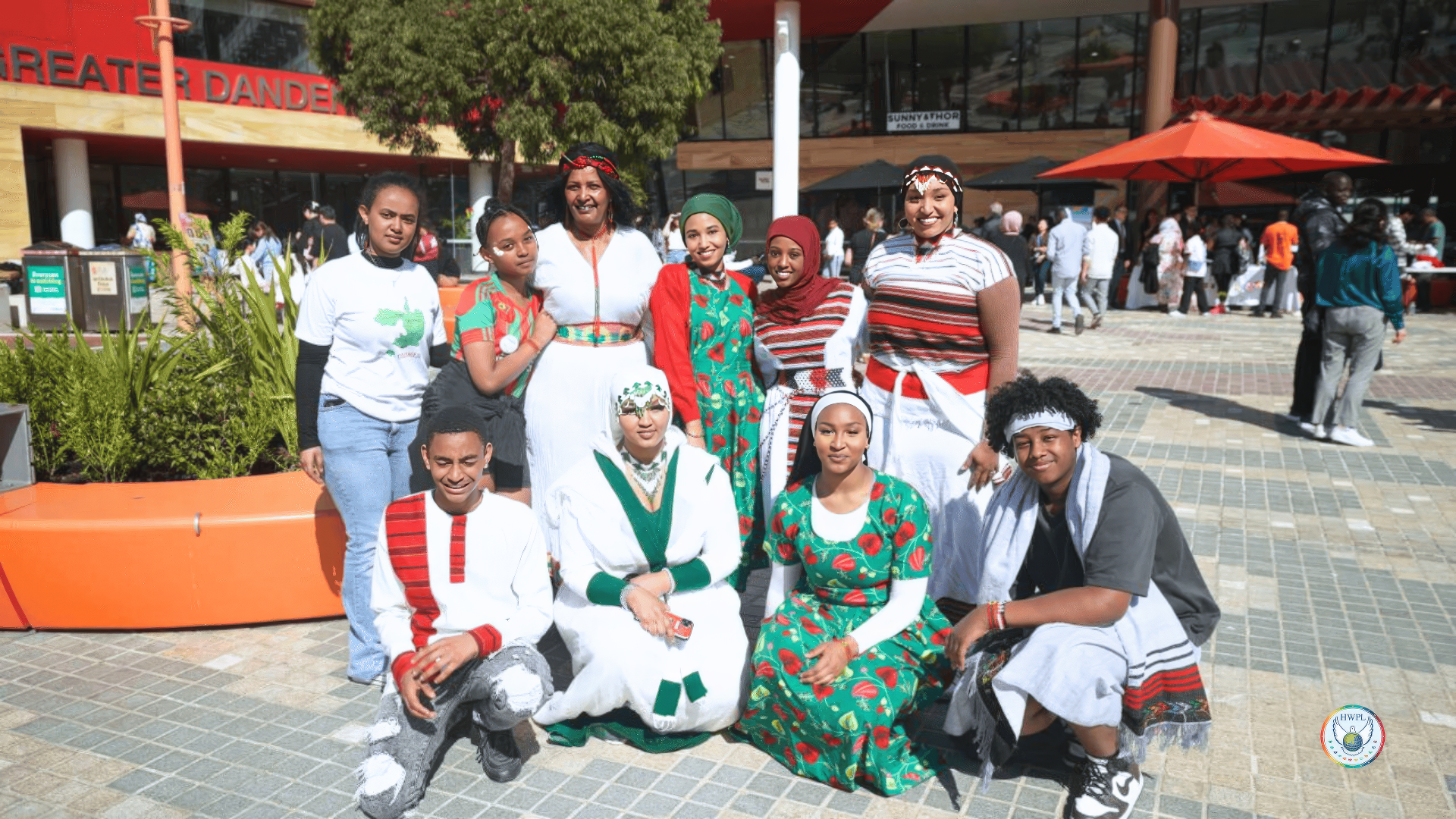
HWPL Victoria hosted the “Multicultural Peace Village” event at Harmony Square, Dandenong on Saturday, September 23rd, 2023 in collaboration with the International Peace Youth Group (IPYG) and International Women’s Peace Group (IWPG). This event marked the 9th annual commemoration of HWPL’s World Peace Summit which is conducted globally each year.…
-
 Continue reading →: HWPL Celebrates the Year Signing MOU with Victorian Communities
[Left to right: Khmer Kampuchea Foundation, Advocacy for Oromia, SUDD Foundation] On Friday (December 1st, 2023) at the Djerring Flemington Hub, HWPL Victoria held its End of Year Celebration of Peace in collaboration with the International Peace Youth Group (IPYG) and International Women’s Peace Group (IWPG). Dedicated to HWPL’s esteemed…
-
 Continue reading →: Building Inner Peace: The Key to Lasting Community Harmony
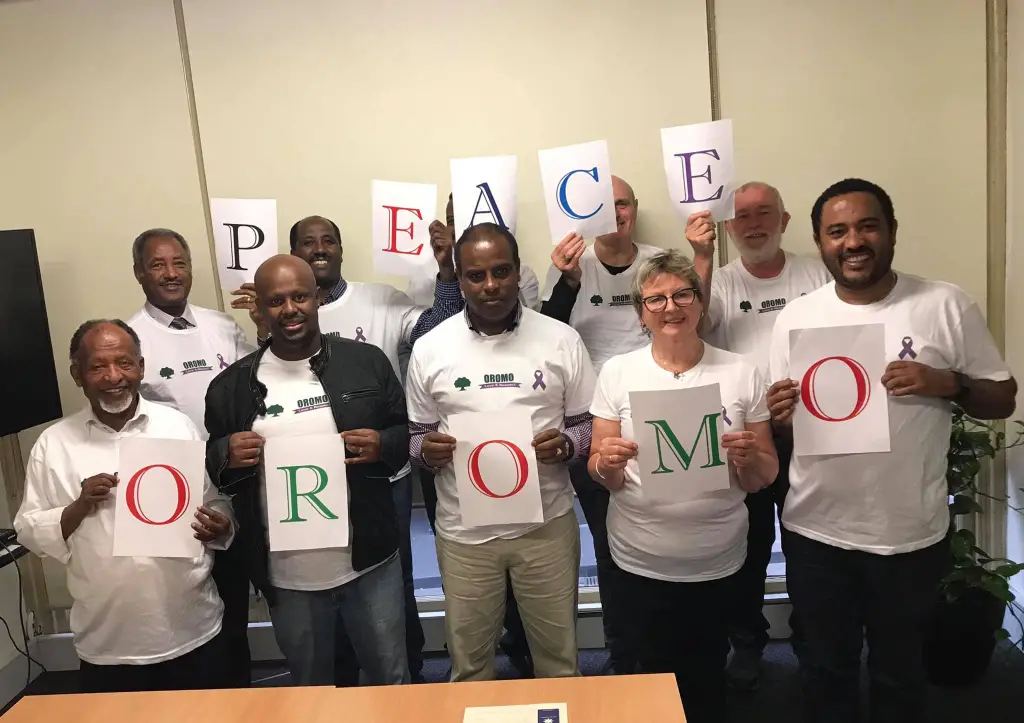
The Peace Education Program is a series of 10 sessions that guide an individual toward discovering inner resources integral in developing healthy life skills. Each session focuses on one of ten topics: Peace, Appreciation, Inner Strength, Self-Awareness, Clarity, Understanding, Dignity, Choice, Hope, and Contentment. But how it helps us not…
-
Continue reading →: Understanding True Peace for the Oromo People
For the Oromo people, true peace is not merely the absence of conflict but the presence of justice, equality, and self-determination. It encompasses the resolution of historical grievances, the recognition of Oromo identity and rights, and the establishment of a society where the Oromo people can thrive politically, economically, and culturally. Here’s…
-
Continue reading →: Oromo Peace Ambassadors: A Journey of Healing and Strength
Advocacy for Oromia: spreading a culture of peace and love. Throughout the year, we held Irreecha Birraa-Oromo (thanksgiving) celebrations on 29 September 2019, where more than 500 community members attended and enjoyed the day at Wilson Botanic Park Berwick. We ran six mental health education, five home-based Oromo postnatal cares,…
-
Continue reading →: A Comprehensive Peace Education Implementation Framework for Community Transformation
Based on your powerful vision, I’ve developed this comprehensive framework to translate your belief in peace education into tangible, transformative community action. Vision Statement To cultivate a community where every member embodies peace as knowledge, skill, and attitude—transforming conflict into collaboration, violence into dialogue, and fear into shared security. I.…
-
Continue reading →: A Strategic Framework for Successful Peace Education in the Oromo Community
The fact that the Oromo community has offered peace education as a structured initiative—divided into thematic topics aimed at strengthening peace foundations—represents a crucial opportunity. For this initiative to succeed, it must move beyond theoretical acceptance to transformative implementation. Here is a strategic framework for ensuring its success: I. Culturally…
-
Continue reading →: The Role of Peace Education in Strengthening the Foundations of Peace in Oromia
Peace education in Oromia is not merely an academic subject—it represents a cultural reclamation, a healing practice, and a political strategy for transforming a region shaped by systemic violence, historical trauma, and cultural disruption. Drawing upon Oromia’s rich indigenous peace traditions while addressing contemporary challenges, peace education can serve as…
-
Continue reading →: Why is Oromo culture attached with Oromo peace?
The connection between Oromo culture and peace is not coincidental; it is foundational, systemic, and spiritual. It’s woven into the very fabric of their worldview, governance, and social ethics. Here’s a breakdown of why Oromo culture is intrinsically attached to peace (Nagaa Oromoo), using its key cultural pillars: 1. The…
-
 Continue reading →: The deeper importance of a Peace Walk in a city like Melbourne.
“Peace is something everyone wants and loves, and it is important that we all walk for peace” is a great starting point. We can expand on this to explain the deeper importance of a Peace Walk in a city like Melbourne. Here is a more detailed of why such an…
-
 Continue reading →: Promoting Peace Through Dialogue: OLF and OFC’s Efforts in Oromia
The joint call for dialogue by the OLF and OFC is a commendable and necessary move for peace in Oromia. We believe that inclusive discussion is the only viable solution to the insecurity that has plagued our region. We are hopeful that the Oromia Regional Government will respond positively and…
We’re OPI
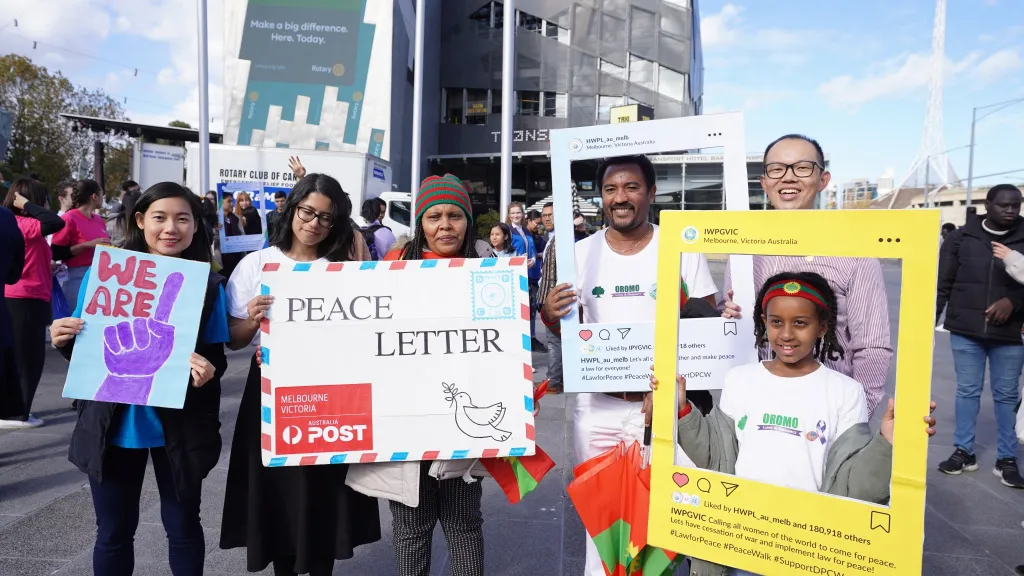
Welcome to OPI, is an independent research and policy peace institute. Our aim is to educate policymakers and the wider public on the Oromo people and the region of Oromia. We are dedicated to ensuring a non-derivative presence of the Oromos in policy circles that have all too often disregarded collective Oromia agency.
Let’s connect
Join the fun!
Stay updated with our latest tutorials and ideas by joining our newsletter.