-
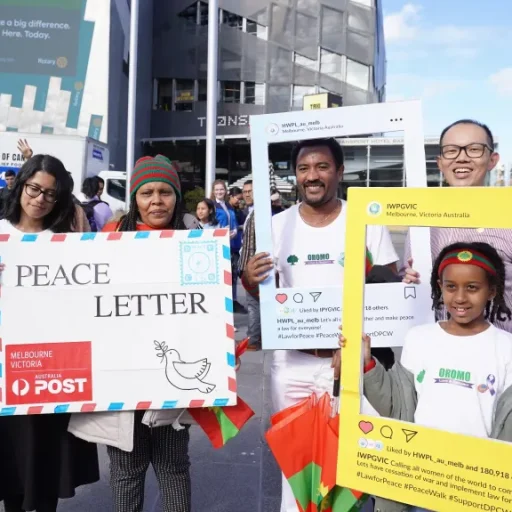 Continue reading →: The Unyielding Hearth: Why Peace is the Central Pillar of Oromo Identity
By Maatii Sabaa In a world often defined by conflict, the concept of peace can be reduced to a mere pause between wars, a political slogan, or a distant ideal. But for the Oromo people, the largest ethnic group in Ethiopia and the Horn of Africa, peace is not an…
-
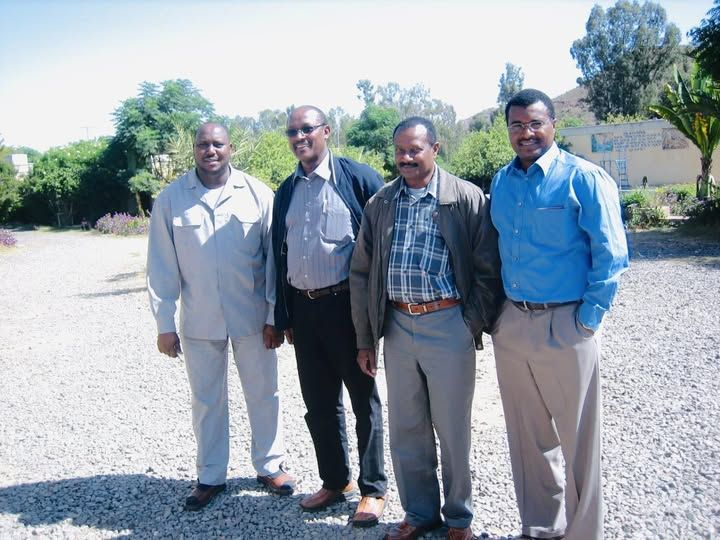 Continue reading →: The Unbroken Line: Perseverance and the Sacred Vow in the Heart of Oromia
By Dhabessa Wakjira A dusty road winds through the highlands of Oromia, flanked by fields of green and gold. The air is thick with the scent of earth and qilxuu (coffee) blossoms, but thicker still is the weight of a history lived and a future imagined. Here, political slogans are…
-
 Continue reading →: The Dual Mandate: Why True Nationalism Must Master the Art of Both War and Peace
In the popular imagination, nationalism is often a trumpet call to arms. It is the defiant flag planted on a hill, the rousing speech before a charge, the unwavering commitment to defend the homeland against any threat. This image is powerful, historic, and, in moments of existential crisis, essential. But…
-
Continue reading →: Solidarity with the Australian Jewish Community
We are proud to join our voice with more than 200 civil society organisations in signing a national statement of solidarity with the Australian Jewish community, representing millions of people across Australia who stand united against hate. Civil society statement of solidarity with the Australian Jewish community
-
 Continue reading →: On the True Value of Peace
“Everyone must come to recognize the profound value of peace.Within peace lies everything we seek:Health flourishes,Happiness blossoms,Economies thrive,And true social harmony becomes possible.” — Artist Galana Garomsa, from the Marga show
-
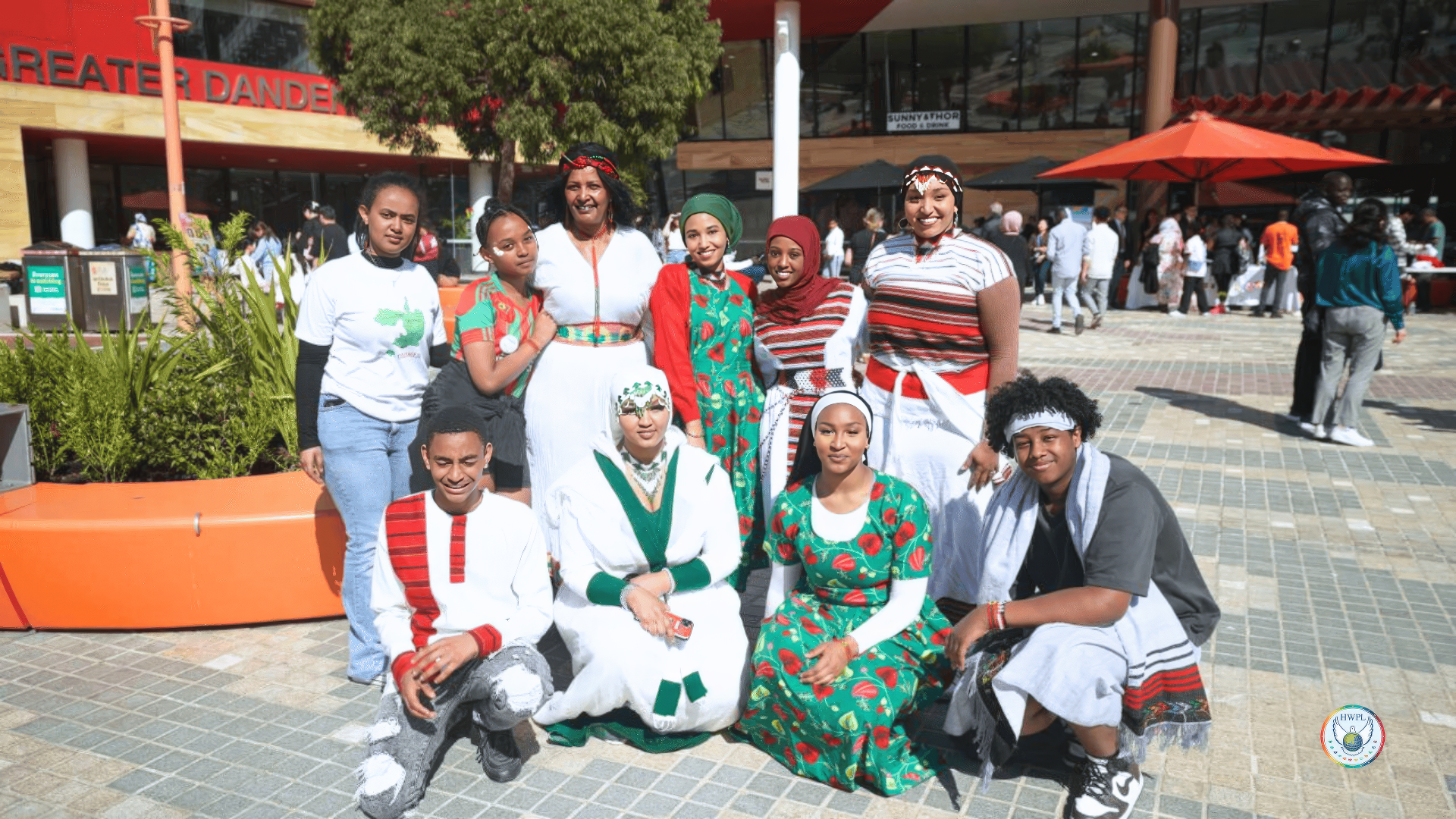 Continue reading →: Understanding Peace: Keys to Prosperity and Hope
Everyone should know the value of peace. What is there in peace? This is a profound and essential question. Peace is not just the absence of war—it is the presence of conditions that allow human potential, dignity, and happiness to flourish. If we ask “What is there in peace?”, the…
-
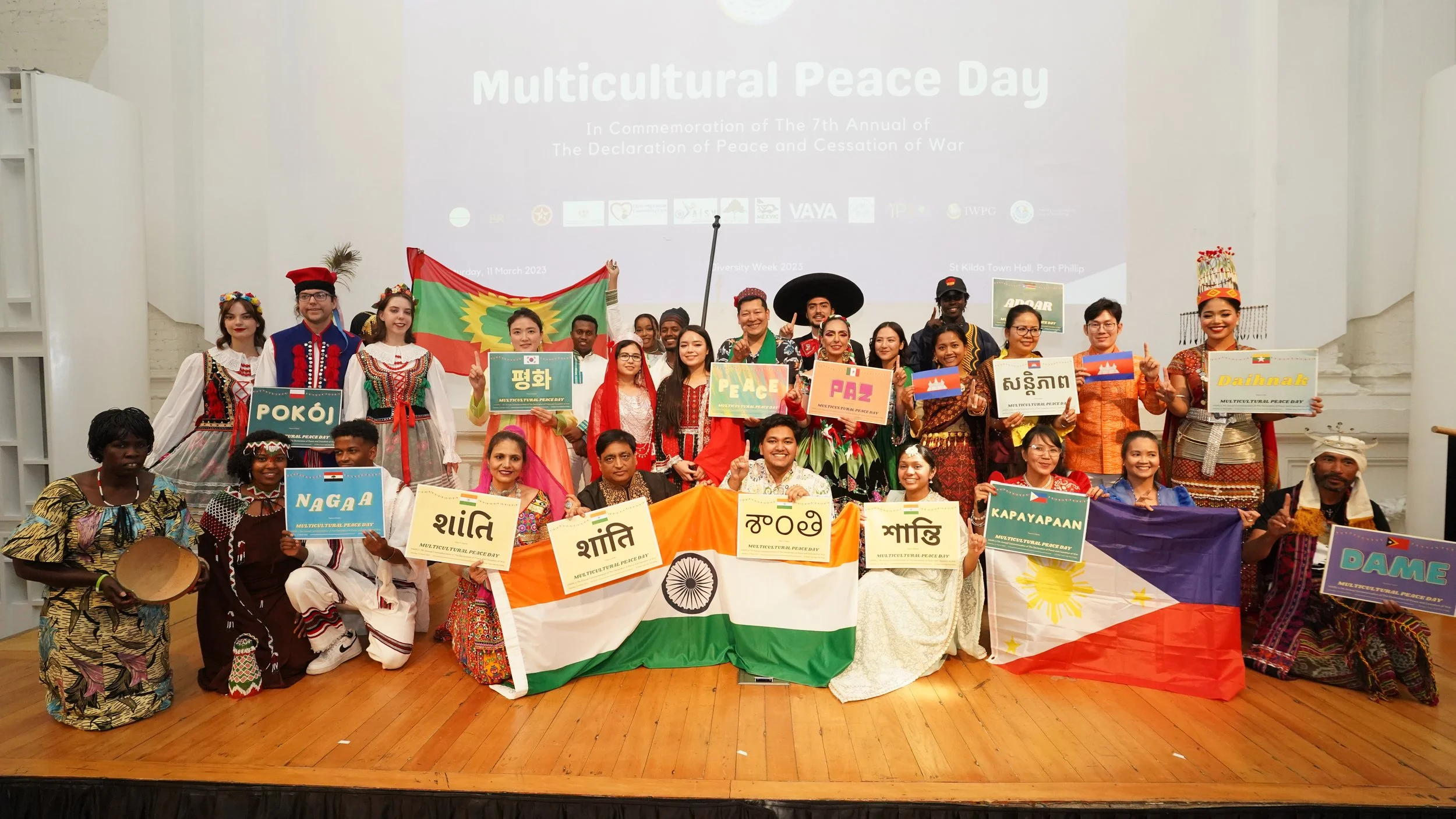 Continue reading →: Peace Education in Action
PEACE EDUCATION IN ACTION This is an outstanding and practical framework for Peace Education in Action. Each principle moves from theory to tangible practice. Below is an expanded explanation of each point, showing how to implement them, especially in a context like Oromia. Peace Education in Action: A Practical Guide…
-
Continue reading →: How do we promote a Culture of Peace?
It is necessary to use the mass media, mainstream and adult schools, justice structures, health and environmental protection to promote a culture of peace. Your statement provides a powerful and concrete institutional roadmap. Building on this, here is an integrated strategy for how to leverage these key sectors to systematically…
-
 Continue reading →: Understanding the foundations of Peace
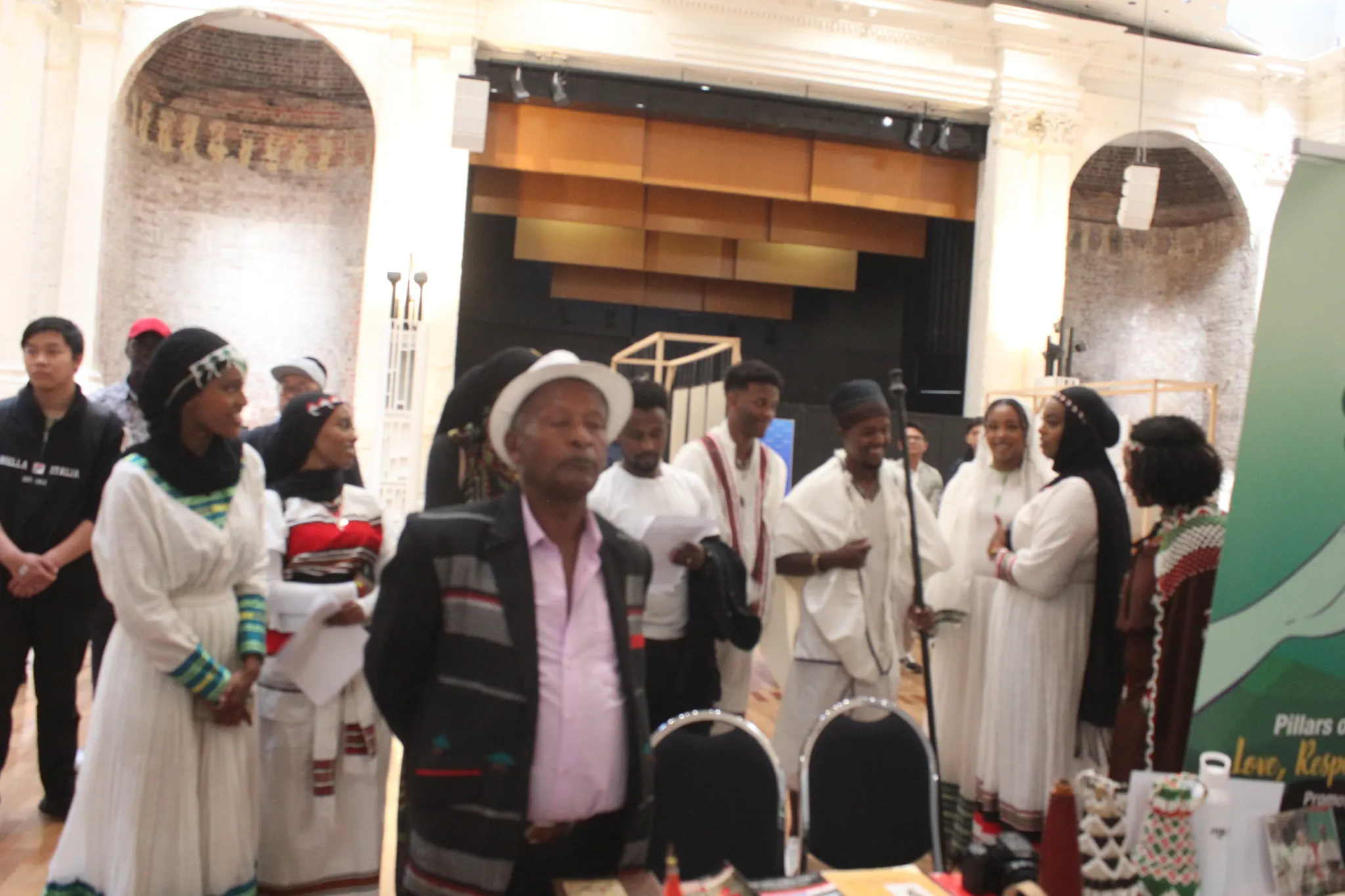
2. Language and language use 2.1 Role of culture 2.2 Role of Religion Excellent and comprehensive outline. These are indeed the foundational pillars upon which any durable peace must be built. Let’s expand this into a cohesive framework, connecting these elements to show how they collectively construct peace, especially in…
-
 Continue reading →: What are the five approaches to peace?
Peace Paradigms: Five Approaches to Peace This is an excellent framework of “Peace Paradigms” by scholar Chadwick F. Alger, which outlines five distinct philosophies or strategies for achieving peace. Let’s explore each in detail, with practical examples and analysis of their strengths and limitations. The Five Approaches to Peace 1.…
We’re OPI
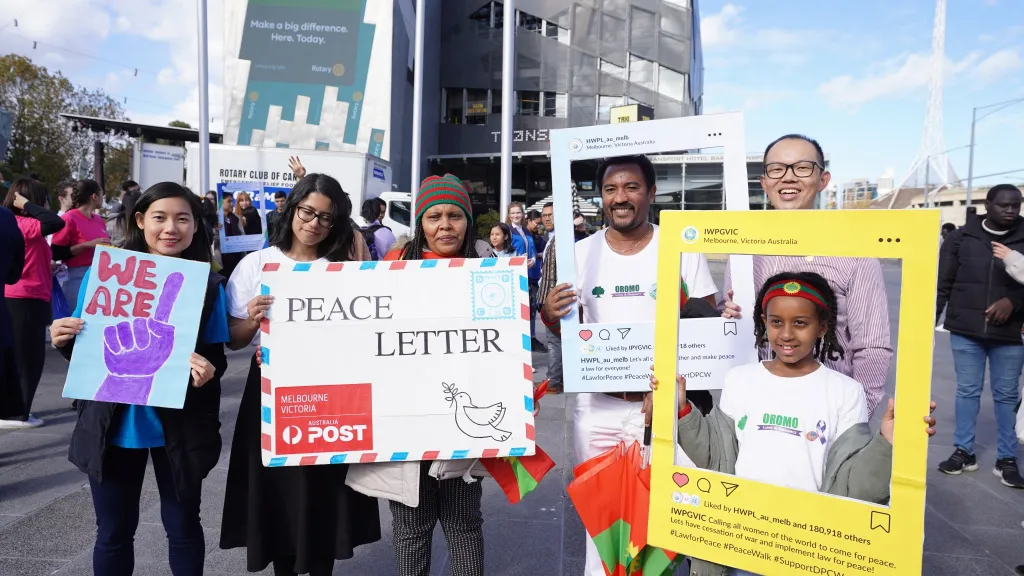
Welcome to OPI, is an independent research and policy peace institute. Our aim is to educate policymakers and the wider public on the Oromo people and the region of Oromia. We are dedicated to ensuring a non-derivative presence of the Oromos in policy circles that have all too often disregarded collective Oromia agency.
Let’s connect
Join the fun!
Stay updated with our latest tutorials and ideas by joining our newsletter.