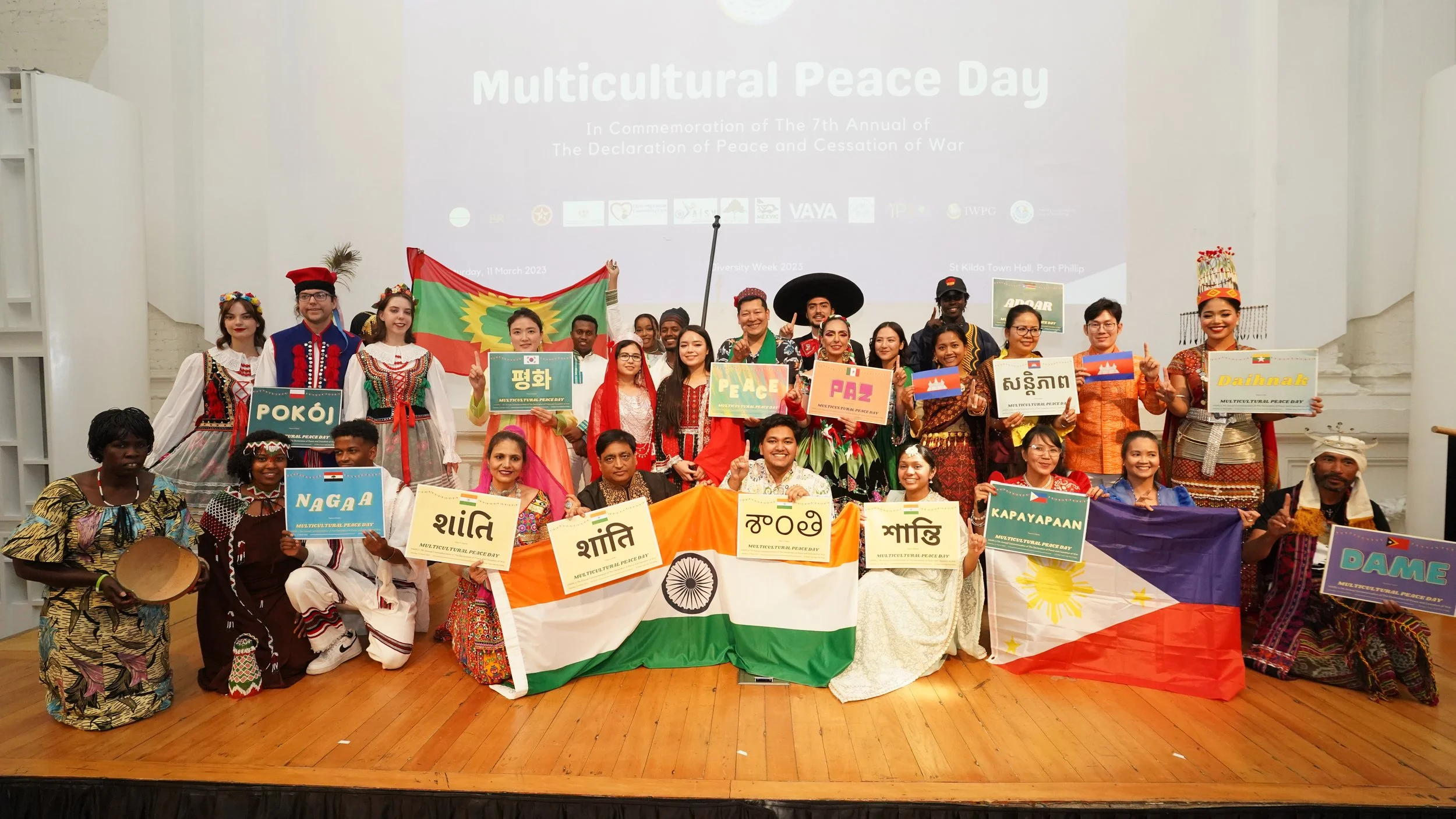

PEACE EDUCATION IN ACTION
- Model kindness and empathy.
- Repair, don’t punish.
- Create a democratic space.
- Use experiential learning.
- Give a voice to the excluded.
- Encourage collaboration in diverse groups.
- Discuss controversial issues.
- Integrate service learning.
This is an outstanding and practical framework for Peace Education in Action. Each principle moves from theory to tangible practice. Below is an expanded explanation of each point, showing how to implement them, especially in a context like Oromia.
Peace Education in Action: A Practical Guide
1. Model Kindness and Empathy
- The Action: Educators and leaders must embody the values they teach. This is not a lesson plan, but a daily practice.
- How to Implement:
- Active Listening: Give students/community members your full attention, without interruption.
- Validate Feelings: Acknowledge emotions, especially during conflict. Say, “I can see this is upsetting for you,” before seeking solutions.
- Public Acts of Care: Thank people sincerely, offer help proactively, and admit your own mistakes with humility.
2. Repair, Don’t Punish
- The Action: Shift the goal from retribution to restoration. This aligns with indigenous systems like the Oromo Gumaa (restorative justice).
- How to Implement:
- Restorative Circles: After a conflict, bring affected parties together to ask: 1) What happened? 2) Who was harmed? 3) How can we repair the harm?
- Focus on Impact: Move past “Who broke the rule?” to “How were people affected, and what do they need to feel whole again?”
- Develop “Repair Plans”: Instead of detention or suspension, create agreements for apologies, community service, or projects that address the harm caused.
3. Create a Democratic Space
- The Action: Build an environment where everyone has a say in the rules and decisions that affect them, mirroring Gadaa councils.
- How to Implement:
- Participatory Rule-Making: Collaboratively develop classroom or community codes of conduct.
- Rotating Leadership: Assign different students/community members to lead meetings or projects.
- Majority Vote & Minority Voice: Practice voting while ensuring dissenting opinions are heard and respected.
4. Use Experiential Learning
- The Action: Peace is a skill, not just a concept. People learn it by doing.
- How to Implement:
- Role-Playing: Simulate conflicts (e.g., a land dispute) and practice mediation.
- Peace Theater: Use drama to act out scenarios of injustice and reconciliation.
- Field Visits: Visit community mediation centers, cultural museums, or sites of historical significance to connect learning to real life.
5. Give a Voice to the Excluded
- The Action: Actively seek out and amplify the voices of those typically marginalized—women, youth, minorities, the disabled.
- How to Implement:
- Structured Turn-Taking: Use a “talking stick” or other object to ensure everyone gets a chance to speak without interruption.
- Anonymous Feedback: Provide ways for people to share ideas or concerns privately.
- Affirmative Invitation: Explicitly ask: “We haven’t heard from you yet; what are your thoughts?”
6. Encourage Collaboration in Diverse Groups
- The Action: Deliberately mix people across lines of clan, ethnicity, gender, or ability for common tasks.
- How to Implement:
- Jigsaw Projects: Break a task into parts, and assign each part to a different member of a diverse group. They must teach each other to succeed.
- Common Goal Challenges: Present a problem (e.g., “design a clean water system for our village”) that requires diverse skills and perspectives to solve.
- Celebrate Group Success: Reward the team, not just the individual.
7. Discuss Controversial Issues
- The Action: Create a safe, structured environment to discuss “taboo” or divisive topics (e.g., historical grievances, resource sharing, political rights).
- How to Implement:
- Ground Rules First: Establish respect, confidentiality, and the goal of understanding, not winning.
- Use Neutral Framing: Present issues as problems to be understood, not sides to be chosen. “Let’s explore the different perspectives on this history.”
- Critical Media Analysis: Examine news articles or speeches together to identify bias and hidden assumptions.
8. Integrate Service Learning
- The Action: Connect peace education to tangible action that benefits the community, fulfilling the concept of Nagaa Lafa (peace with the land).
- How to Implement:
- Identify Community Needs: Students/participants research and identify a local issue (e.g., trash in a river, loneliness among elders).
- Plan & Execute a Project: Design and carry out a service project (clean-up, visiting elders, planting a community garden).
- Reflect on the Experience: Afterward, discuss: What did we learn about community? How did this action build peace? How did it make us feel?
The Synergy in Action: An Oromia Example
Imagine a school project on “Water for Our Village”:
- A democratic space (#3) is created for students to plan.
- They work in diverse groups (#6) (boys/girls, different backgrounds).
- They must collaborate (#6) and give voice to the excluded (#5), ensuring everyone’s idea is heard.
- They discuss the controversial issue (#7) of past water conflicts.
- They engage in experiential learning (#4) by testing water sources.
- They integrate service learning (#8) by building a small filtration system.
- Throughout, the teacher models kindness (#1), and when conflicts arise, the group focuses on repair, not punishment (#2).
This is how peace education moves from words on a page to lived behavior and community transformation. It builds the muscles of peace—empathy, dialogue, cooperation, and restorative justice—that are essential for a future of Nagaa Oromiyaa.
Leave a Reply