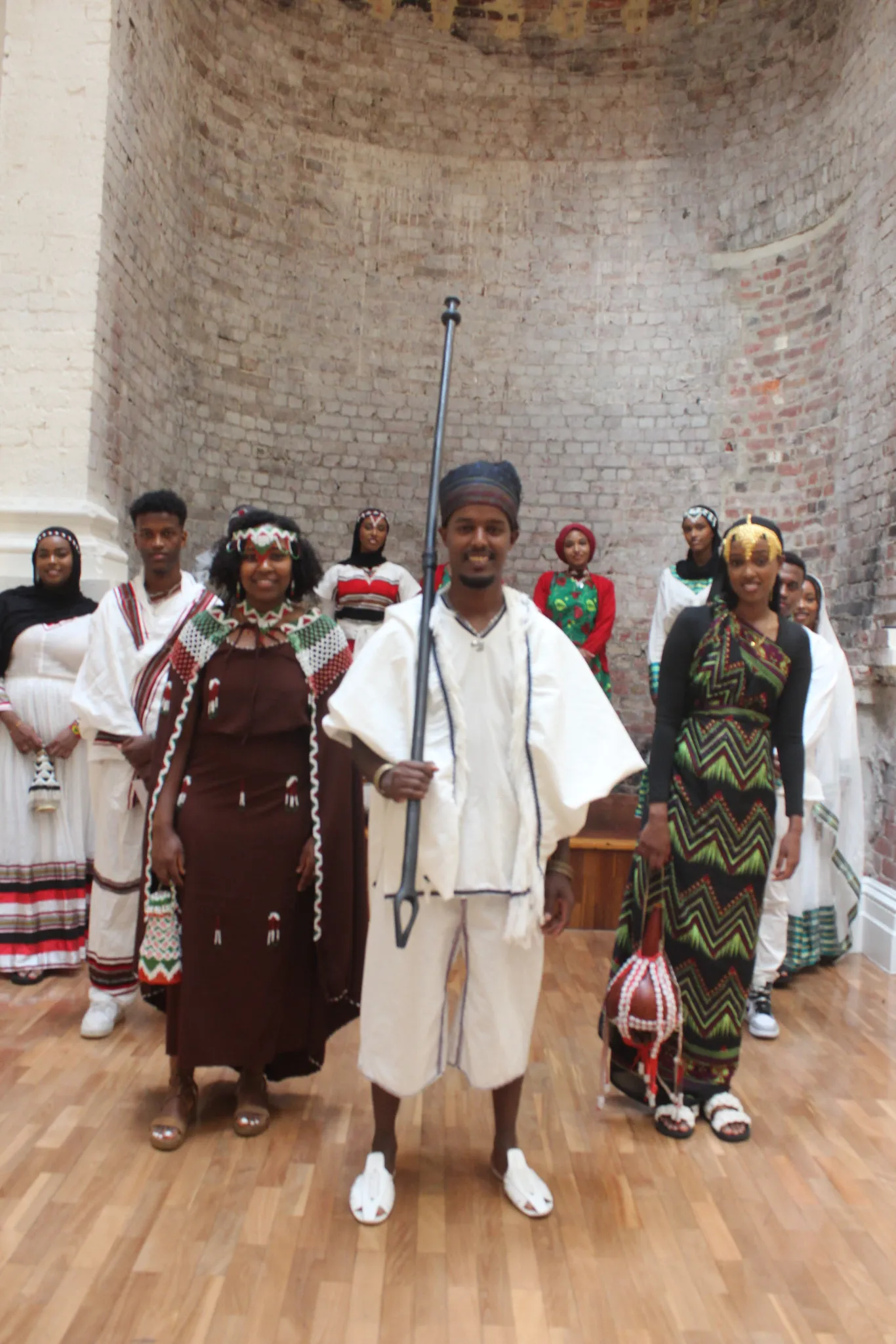

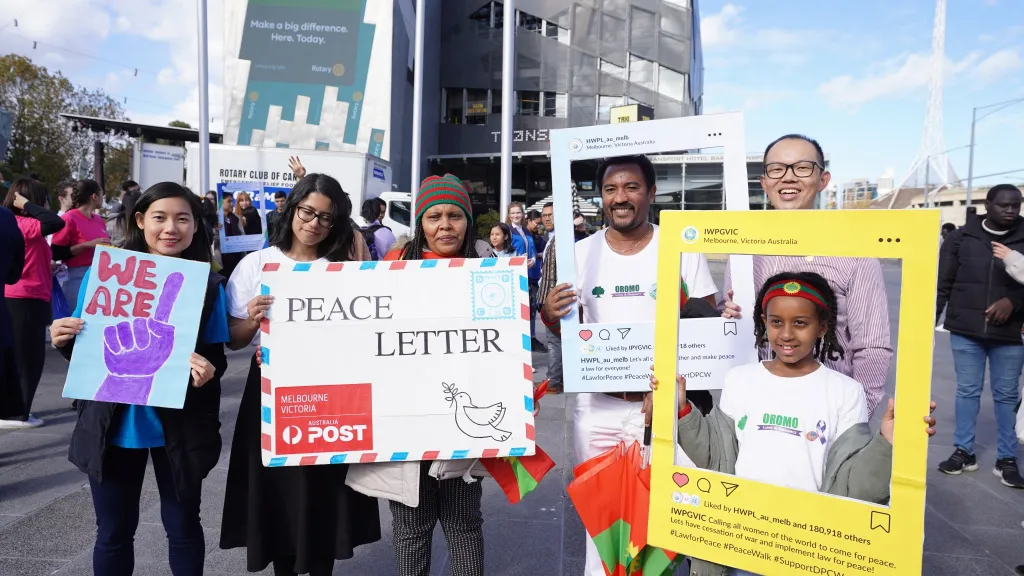
(Melbourne, 11/03/2023) Melbourne Australian Oromo youths promote Oromo and Oromia at the Multicultural Peace Festival.
The Multicultural Peace Day was a celebration that brought different communities and cultures together in Melbourne.
As part of the 7th commemoration of the Declaration of Peace and Cessation of War (DPCW), HWPL invited communities, cultural groups to perform, share, celebrate each of their own cultures!
The Oromo youths who participated in the event wore Oromo clothes and ornaments and introduced on stage what Oromo have such as the Oromo culture of peace, Gada, conflict resolution under the Odaa and the Siinqee power, which protects women’s rights, and the tradition of respecting human rights.
In thier speech at the forum, the Oromo youth expressed that the Oromo people have great respect for peace. “There is a rich history and traditions around maintaining peace also known as “nagaa” in Afaan Oromo.
“The concept of peace is highly valued within the Oromo community and is something we continuously fight for.”
Heavenly Culture, World Peace, Restoration of Light (HWPL) is an international NGO committed to attaining the shared goal of humanity—establishing peace and ceasing wars.
Founded in 2013, Heavenly Culture, World Peace, Restoration of Light (HWPL) is a non-profit, non-governmental organization associated with the UN DGC and in consultative status with the UN ECOSOC.
HWPL is committed to the achievement of world peace and cessation of war through its main initiatives: enactment of an international law for peace, alliance of religions to promote interfaith harmony, and integration of peace education.
It has over 70 branches in Korea and another 100 branches around the world including the Philippines.


Leave a Reply