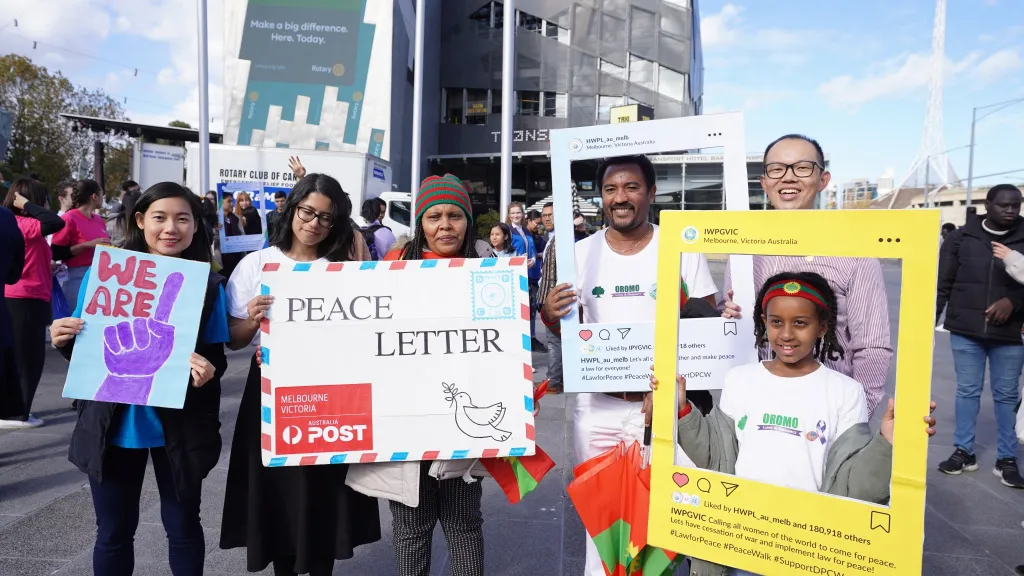
To make this specifically impactful for Oromia, these policies must be decolonized, indigenized, and rooted in Oromo reality. Here is how we adapt your excellent framework to become truly Oromia Peace Policies.
Oromia Peace Policies: An Indigenous & Strategic Framework
Core Vision: To achieve Nagaa Oromoo—a holistic peace with Waaqa (God/Universe), Lafa (Land), and Namaa (People)—through policies that are culturally resonant, historically informed, and designed to dismantle the root causes of conflict specific to Oromia.
I. Diplomacy & Conflict Resolution: Reviving Gadaa Systems
- Policy 1: Institutionalize Jaarsa Biyyaa (Council of Elders): Legally recognize and fund local elder councils as the primary mediators for intra- and inter-community disputes, reducing reliance on a distrusted police or court system.
- Policy 2: Establish a Gadaa Peace Commission: A statutory body comprising elected Abbaa Gadaas, women (Siiqqee representatives), and youth to advise the regional government on all peace matters and lead high-level reconciliations.
- Policy 3: Community-Based Early Warning Systems: Train local networks to monitor and report tensions (e.g., over land, water, political rhetoric) to the Jaarsa Biyyaa for early mediation, preventing escalation.
II. Security & Disarmament: Community-Centered Human Security
- Policy 4: Demobilize, Disarm, and Reintegrate (DDR) through Gumaa: Design DDR programs not as military exercises but as restorative justice processes. Integrate the concept of Gumaa (compensation/restitution) to facilitate the reintegration of former combatants into communities they harmed.
- Policy 5: Redeploy & Reform Security Forces: Transition federal and regional forces from counter-insurgency to community protection. Mandate training in human rights, Afaan Oromoo, and Oromo culture. Demilitarize the countryside.
- Policy 6: Regulate Qeerroo & Youth Movements: Formally recognize and structure youth groups (Qeerroo) as peace advocates and community service corps, providing clear civic roles to channel their energy positively and prevent manipulation into violence.
III. Economic & Social Development: Justice as the Foundation
- Policy 7: Land & Resource Justice Commission: Establish a transparent body to audit and redress historical land dispossession (Gabbar system, federal land grabs). Issue secure land tenure certificates to farmers and pastoralists.
- Policy 8: Nagaa Lafa (Green Peace) Economic Plan: Tie development to environmental stewardship. Invest in regenerative agriculture, community forestry, and green jobs that protect ecosystems and provide livelihoods.
- Policy 9: Mandate Peace & Gadaa Education: Integrate Gadaa principles, Oromo history, and conflict resolution skills into the national curriculum of Oromia. Educate for Safuu (ethics) and Nagaa.
IV. Human Rights & Equality: Applying Safuu to Governance
- Policy 10: Siiqqee Empowerment Charter: Legislate quotas and funding for women’s leadership at all levels, reviving the Siiqqee institution’s role as guardians of social peace and morality.
- Policy 11: Truth, Reconciliation, and Memorialization: Establish an official process to document human rights abuses (from all sides), led by respected elders and scholars. Create memorials and an annual Day of Nagaa for reflection and recommitment.
- Policy 12: Language & Cultural Rights Enforcement: Guarantee Afaan Oromoo in all official business, courts, and education. Protect and fund cultural sites (Odaa, sacred forests).
V. Environmental Protection: Nagaa Lafa as Constitutional Principle
- Policy 13: Constitutionalize the Rights of Nature: Legally recognize ecosystems as rights-bearing entities, aligning with the Oromo view of land as sacred and living.
- Policy 14: Community-Led Resource Governance: Grant legal authority to communities to manage forests, water sources, and minerals in their territories, preventing exploitative external contracts.
VI. Guiding Principles for Oromia Peace Policy
- From Safuu (Moral Balance): All policies must promote dignity, respect, and ethical conduct in public life.
- Subsidiarity: Peace is built from the bottom up. The family (Mana) and locality (Ollaa) are the primary units; the state supports, does not impose.
- Restorative, Not Punitive: Justice must heal and reconcile, not just punish. Draw from Gumaa and Araara traditions.
- Holism (Nagaa Triad): Policies must simultaneously address spiritual, environmental, and social peace. A development project that harms the land is not a peace policy.
- Inclusion (Wal-Ta’i): Deliberate inclusion of all social groups—elders, women, youth, all clans and religions—in decision-making.
Linkage to International Frameworks (Your Original Point)
Oromia’s policies should engage with but not be subsumed by international frameworks:
- UN SDG 16: Use it to benchmark progress, but define “strong institutions” as those reflecting Gadaa values, not just Western models.
- A New Agenda for Peace: Advocate for the UN to recognize and support indigenous peace systems like Gadaa as legitimate international actors.
- Principles for Peace: The Oromo principles of Safuu, Nagaa, and Wal-Ta’i are Africa’s contributions to this global dialogue.
Conclusion: The Oromia Guarantee
This framework is not a list of wishes but a strategic roadmap. Its success depends on one non-negotiable factor: political will from an Oromia leadership that is itself rooted in Safuu and accountable to the people.
The ultimate peace policy for Oromia is a governance system so legitimate, just, and culturally authentic that it removes the very reasons people take up arms. It guarantees peace by making violence obsolete, because the society itself becomes the embodiment of Nagaa Oromoo.
Strategies for Peacebuilding in Oromia
Maintaining and ensuring peace in Oromia, or any region, requires a multifaceted approach that addresses the root causes of conflict, promotes inclusivity, and fosters sustainable development. Below are some key strategies that could contribute to peacebuilding in Oromia:
Inclusive Political Dialogue
Engage All Stakeholders: Facilitate dialogue between the Ethiopian government, Oromo political groups, community leaders, and other stakeholders to address grievances and build consensus on key issues.
Power-Sharing Agreements: Ensure fair representation of the Oromo people in federal and regional government structures to address historical marginalization.
Respect for Human Rights: Uphold the rule of law and protect the rights of all citizens, including freedom of expression, assembly, and political participation.
Address Historical Grievances
Land Rights: Resolve disputes over land ownership and use, which have been a significant source of tension. Implement transparent and fair land policies.
Cultural Recognition: Promote and protect Oromo culture, language, and identity within the broader Ethiopian framework.
Justice and Accountability: Address past injustices through transitional justice mechanisms, such as truth and reconciliation commissions, to foster healing and accountability.
Economic Development and Equity
Resource Distribution: Ensure equitable distribution of resources and development projects to reduce economic disparities between regions.
Job Creation: Invest in job creation programs, particularly for youth, to reduce unemployment and prevent the recruitment of young people into armed groups.
Agricultural Support: Provide support for smallholder farmers, who make up a significant portion of the population, to improve livelihoods and food security.
Strengthening Local Governance
Decentralization: Empower local governments to address community-specific issues and deliver services more effectively.
Community Policing: Implement community-based policing models to build trust between security forces and local populations.
Conflict Resolution Mechanisms: Establish local conflict resolution mechanisms that involve traditional leaders and community elders.
Promoting Social Cohesion
Inter-Ethnic Dialogue: Encourage dialogue and cooperation between different ethnic groups to reduce tensions and build mutual understanding.
Education and Awareness: Promote peace education in schools and communities to foster a culture of tolerance and non-violence.
Media Responsibility: Encourage responsible media reporting that avoids incitement and promotes peacebuilding narratives.
Security Sector Reform
Professionalization of Security Forces: Train security forces in human rights and conflict-sensitive approaches to reduce abuses and build public trust.
Disarmament and Demobilization: Implement programs for the disarmament, demobilization, and reintegration (DDR) of former combatants.
Monitoring and Accountability: Establish mechanisms to monitor the conduct of security forces and hold them accountable for any abuses.
International Support and Mediation
Regional and International Mediation: Engage regional organizations like the African Union (AU) and international partners to mediate conflicts and support peace processes.
Humanitarian Assistance: Provide humanitarian aid to communities affected by conflict to address immediate needs and prevent further instability.
Technical and Financial Support: Offer technical and financial support for peacebuilding initiatives, including capacity-building for local institutions.
Youth and Women Empowerment
Youth Engagement: Involve young people in peacebuilding initiatives and provide them with opportunities for education, employment, and civic participation.
Women’s Participation: Ensure the active participation of women in peace processes and decision-making, as they often play a crucial role in conflict resolution and community resilience.
Environmental Sustainability
Natural Resource Management: Address environmental degradation and resource scarcity, which can exacerbate conflicts. Promote sustainable land and water management practices.
Climate Resilience: Build resilience to climate change, which can impact livelihoods and contribute to displacement and conflict.
Long-Term Peacebuilding
Sustainable Development Goals (SDGs): Align peacebuilding efforts with the SDGs to ensure long-term development and stability.
Monitoring and Evaluation: Establish mechanisms to monitor the progress of peacebuilding initiatives and adapt strategies as needed.
Conclusion
Peace in Oromia requires a comprehensive approach that addresses the political, economic, social, and security dimensions of conflict. It is essential to involve all stakeholders, including the Oromo people, the Ethiopian government, civil society, and international partners, in a collaborative effort to build a sustainable peace. The process will take time, but with commitment and cooperation, lasting peace is achievable.