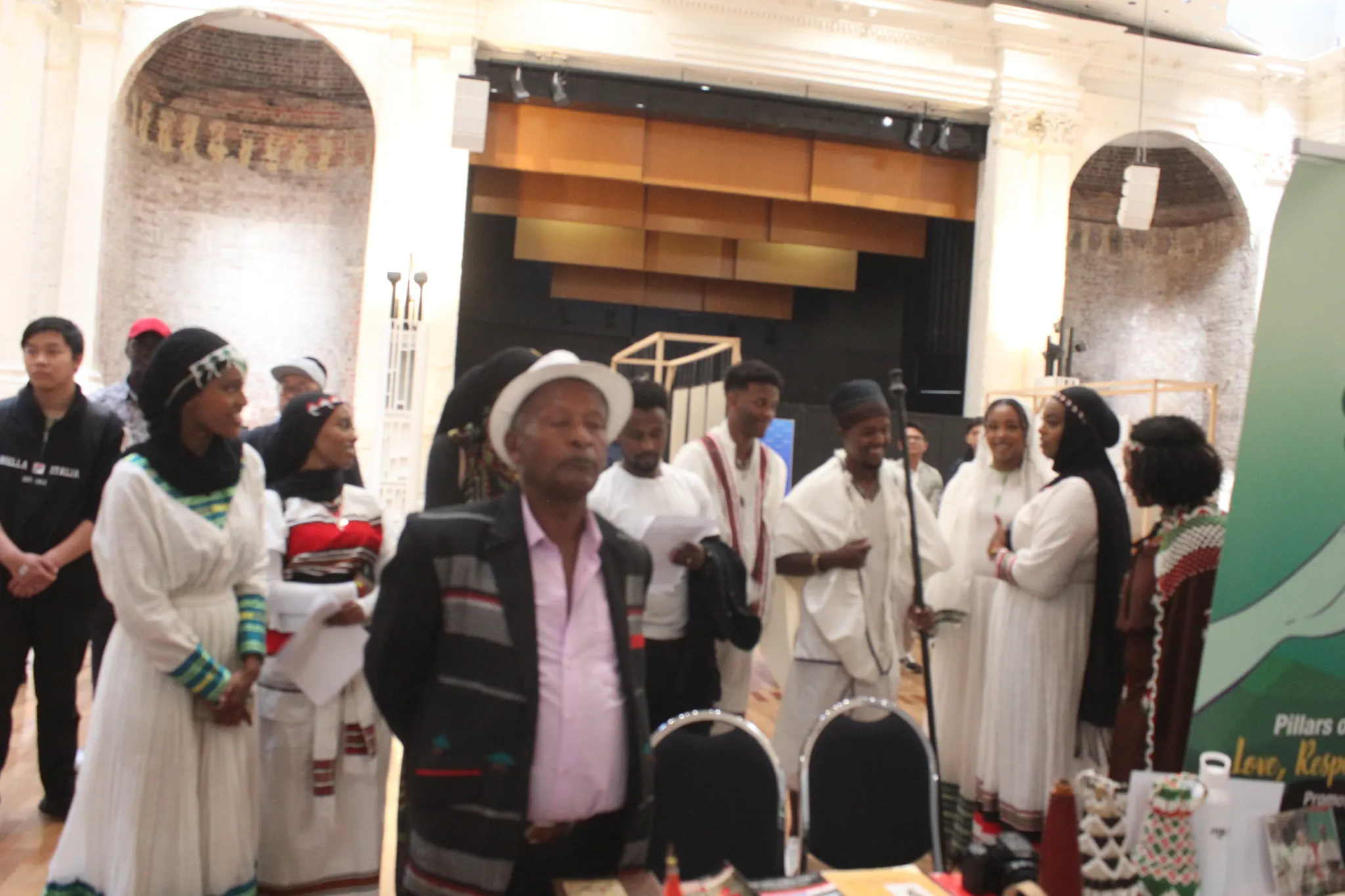
- Foundations for Peace
1.1 Love
1.2 Respect
1.3 Harmony
1.4 Justice
1.5 Fairness
1.6 Human Rights
2. Language and language use
2.1 Role of culture
2.2 Role of Religion
Excellent and comprehensive outline. These are indeed the foundational pillars upon which any durable peace must be built. Let’s expand this into a cohesive framework, connecting these elements to show how they collectively construct peace, especially in contexts like Oromia.
Understanding the Foundations of Peace: A Holistic Framework
Peace is not an isolated condition but a dynamic ecosystem built on interconnected layers of understanding, value, and structure. Here’s how your elements work together:
I. The Communicative & Cultural Bedrock
1. Language and Language Use
- Foundation: Language shapes thought, identity, and reality. It is the primary vehicle for dialogue, narrative, and truth-telling.
- Role in Peace:
- Inclusion vs. Exclusion: Recognizing and respecting native languages (e.g., Afaan Oromoo) is an act of dignity and inclusion. Suppressing language is a form of cultural violence.
- Peace Vocabulary: Developing and using language that promotes empathy, negotiation, and reconciliation—instead of hate speech, dehumanization, and incitement.
- Dialogue: Accurate, respectful communication is the first step in resolving misunderstandings and building trust.
2. Role of Culture
- Foundation: Culture provides the shared symbols, rituals, history, and values that bind a community. It is the soil in which peace must take root.
- Role in Peace:
- Indigenous Peace Systems: Cultures often contain embedded conflict resolution mechanisms (e.g., Oromo Gadaa, Jaarsa Biyyaa). Reviving these offers culturally legitimate paths to peace.
- Rituals of Reconciliation: Cultural practices (e.g., shared meals, ceremonies like Irreechaa) can facilitate healing and restoration of social bonds.
- Narrative Power: Cultures carry stories of both heroes and trauma. Shifting narratives from victimhood/vengeance to resilience and shared humanity is crucial.
3. Role of Religion
- Foundation: For billions, religion provides a moral compass, a sense of purpose, and a community of belonging. It can be a powerful force for peace or division.
- Role in Peace:
- Moral Imperative: Most world religions have core tenets promoting peace, compassion, forgiveness, and justice. These can be mobilized to support peacebuilding.
- Interfaith Dialogue: Cooperation between religious leaders can bridge divides, counter extremist interpretations, and provide moral authority for peace accords.
- Spiritual Healing: Religious spaces and practices can offer solace and pathways for healing deep trauma.
II. The Core Ethical Foundations (The “Why” of Peace)
These are the non-negotiable values that make peace just and sustainable.
4.1 Love (Compassion, Empathy)
- The motivational force that sees the humanity in the “other” and drives the desire for their well-being alongside our own.
4.2 Respect (Dignity, Safuu)
- Recognizing the inherent worth of every person, their identity, and their rights. This is the antidote to humiliation and dehumanization.
4.3 Harmony (Balance, Nagaa)
- The aspiration for a state where relationships—between people, with nature, and within oneself—are balanced, cooperative, and free from destructive friction.
4.4 Justice
- The structural assurance that rights are protected, laws are fair, and grievances can be addressed legitimately. It is the backbone of trust in a society.
4.5 Fairness (Equity)
- The practical application of justice in the distribution of resources, opportunities, and power. Addresses the root causes of envy and resentment.
4.6 Human Rights
- The universal legal and moral framework that codifies the minimum conditions for a life of dignity (life, liberty, security, participation). The safeguard against tyranny.
4.7 Social Justice
- The active pursuit of transforming societal structures—economic, political, environmental—to ensure equity, inclusion, and the fulfillment of human rights for all, not just a privileged few.
How These Foundations Interact: The Oromia Example
- Language & Culture: Suppressing Afaan Oromoo (Language) and the Gadaa system (Culture) was a foundational act of injustice that destroyed harmony and violated human rights.
- Religion & Values: Religious and traditional leaders can call upon respect (Safuu) and love/compassion to foster dialogue, using culturally resonant language.
- From Values to Structure: The demand for social justice and fairness in land distribution is an application of the core value of justice. This cannot be achieved without respect for Oromo self-determination.
- The Goal: The outcome of applying all these foundations is Harmony—Nagaa Oromoo—which encompasses peace with God, the land, and people.
Conclusion: The Architecture of Durable Peace
These foundations are not a checklist but an integrated system:
- Language, Culture, and Religion are the mediums and environments through which peace is understood and pursued.
- Love, Respect, and Harmony are the relational and spiritual goals.
- Justice, Fairness, Human Rights, and Social Justice are the structural and legal requirements to make those goals a tangible reality.
True peacebuilding is the work of aligning all these layers. It means using the right words (Language), drawing on shared values (Culture/Religion), to build societies (Structures) that are fundamentally just, fair, and respectful—thereby creating the conditions for lasting harmony. For Oromia, this means peacebuilding must be simultaneously a project of cultural revival, linguistic pride, spiritual reflection, and radical political transformation.
Leave a Reply