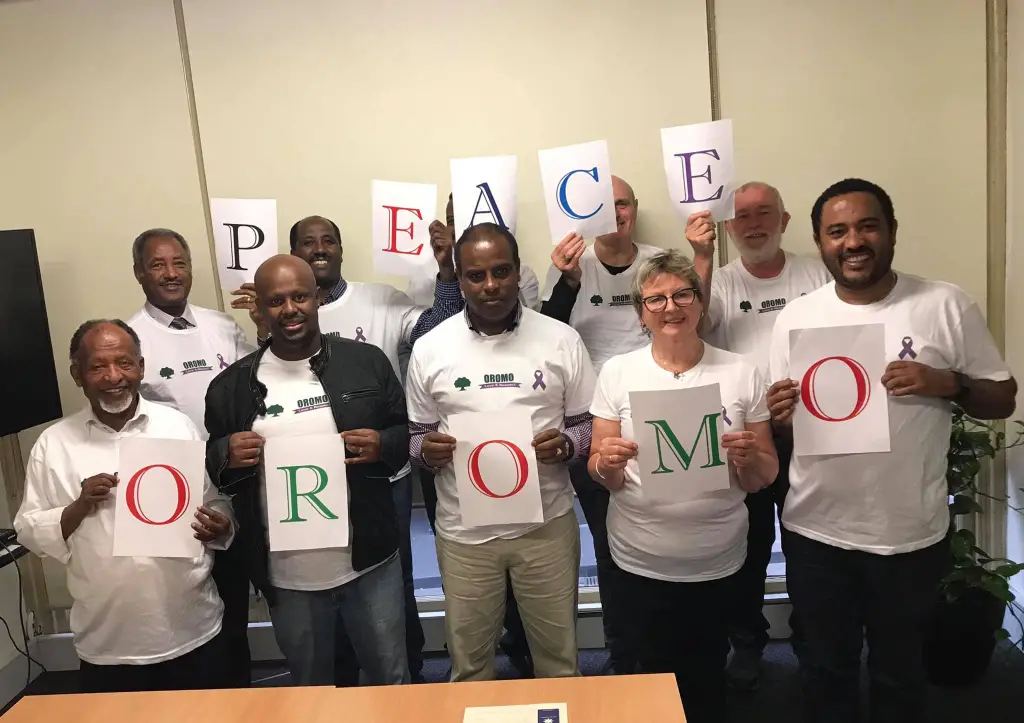

The Peace Education Program is a series of 10 sessions that guide an individual toward discovering inner resources integral in developing healthy life skills. Each session focuses on one of ten topics: Peace, Appreciation, Inner Strength, Self-Awareness, Clarity, Understanding, Dignity, Choice, Hope, and Contentment. But how it helps us not only to recognise, but also to build our inner strength and hope?
This is an excellent and profound question. This Peace Education Program, with its focus on these ten pillars, operates on a fundamental psychological and philosophical principle: lasting external peace is built upon a foundation of internal peace and personal resilience.
Here is a detailed breakdown of how such a program doesn’t just teach about concepts like Inner Strength and Hope, but actively guides participants to recognize, access, and build them.
Core Mechanism: From Abstract Concept to Personal Resource
The program’s power lies in its structure. It moves participants through a journey of self-discovery and skill-building:
- Recognition (The “Aha!” Moment): Sessions begin by defining the topic not as an external theory, but as an internal experience.
- Inner Strength: Instead of just talking about resilience, a session might guide reflection: “Recall a time you faced a difficulty. What quiet voice or feeling helped you endure? That is your inner strength.” This helps participants recognize they already possess this resource, even if they didn’t have a name for it.
- Hope: The session wouldn’t just define hope as optimism. It might ask: “When has a small positive thought changed your outlook on a challenging day? That spark is hope.” This personalizes the concept.
- Building (The “Toolkit” Creation): After recognition, the program provides practical frameworks to strengthen and exercise these inner qualities.
- For Inner Strength: Participants might learn and practice techniques like:
- Anchoring in Values: Connecting to core personal or cultural values (e.g., Safuu – dignity/morality) as an unshakable foundation during storms.
- Reframing Narratives: Moving from “I am a victim of this conflict” to “I am a survivor building a new future.” This builds agency.
- Mindfulness & Grounding: Simple exercises to manage stress and anxiety, preventing emotional overwhelm.
- For Hope: The building phase involves:
- Future Visualization: Practicing the skill of envisioning a positive, peaceful future for oneself and one’s community, making it feel tangible.
- Identifying “Gateways”: Learning to spot small, realistic opportunities for positive action (“What is one small thing I can do this week to contribute to peace?”).
- Cultivating Gratitude (ties to Appreciation): Actively noting positive elements, however small, trains the mind to see possibilities rather than only problems.
- For Inner Strength: Participants might learn and practice techniques like:
The Synergistic Effect: How the Sessions Work Together
The genius is in the sequence. The topics are not random; they build upon each other to create a resilient psyche:
- Peace & Self-Awareness start the journey inward, creating a stable base of observation.
- Appreciation & Clarity help clean the lens through which one sees the world and oneself, reducing distortions of anger or despair.
- Understanding & Dignity provide the framework: understanding others’ humanity and reaffirming one’s own inherent worth.
- Choice & Hope are the active engines of change. Once you understand you have Choice (you are not merely a reactive being), you can use Hope to direct those choices toward a better future.
- Inner Strength is the fuel that sustains this entire process, and Contentment is the evidence of its success—not a passive happiness, but a deep satisfaction from living in alignment with these inner resources.
Application in a Context Like Oromia: From Individual to Community Peace
For a community facing historical trauma and conflict, this internal work is not a luxury—it is essential groundwork for external peacebuilding.
- Healing the Individual to Heal the Collective: Trauma shatters inner strength and extinguishes hope. By helping individuals rebuild these internally, the program heals the building blocks of the community.
- Creating Agents of Peace, Not Recipients: A person who has discovered their own dignity and strength is less likely to be manipulated into violence or hatred. They become a stable, hopeful agent who can engage in dialogue, forgive, and build.
- Providing a Non-Political Common Language: Concepts like Peace, Dignity, and Hope transcend political divisions. They create a shared human vocabulary from which difficult community conversations can begin.
- Sustainable Foundation: Peace accords can be signed by leaders, but lasting peace is lived by individuals. If individuals lack inner peace, strength, and hope, societal peace remains fragile. This program builds the human infrastructure for durability.
In essence, this Peace Education Program answers the critical question: “How can we expect to build peace in our world if we do not know how to find it within ourselves?”
It provides the map and the tools for that inner journey, with the understanding that individuals at peace with themselves are the only true foundation for a community at peace with itself. The inner strength and hope you build become the pillars upon which the external structure of social peace can safely rest.
Leave a Reply