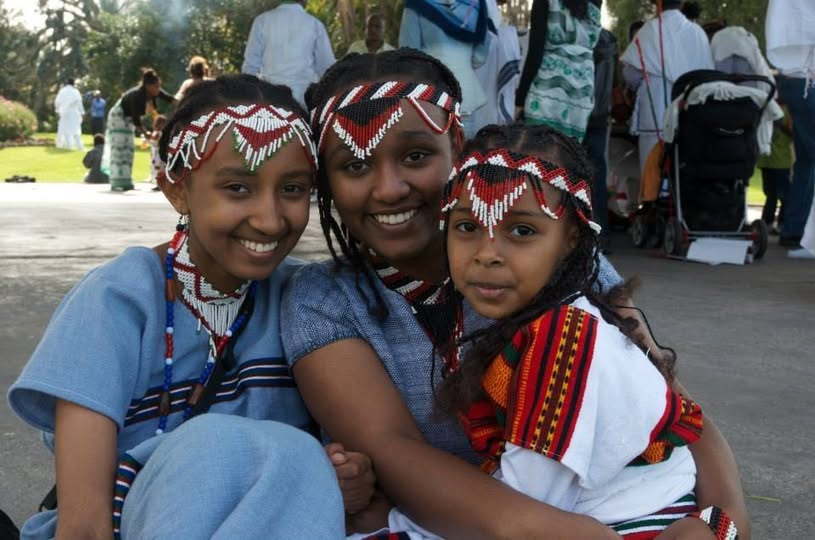

In the quiet chaos of a playground, a conflict erupts. Two children reach for the same swing, and the world holds its breath for a fraction of a second. Will it be a shove, a shout, or a tentative, “Can I have a turn?” In that moment, the foundational curriculum of a human life is being written. It is a microcosm of a stark, universal truth: “Unless we teach our children peace, someone else will teach them violence.”
This statement is not a gentle plea for kindness; it is a urgent manifesto for survival. It acknowledges that childhood is not a vacuum. It is a battleground of influences, a fertile field where every interaction, every observed reaction, and every absorbed narrative plants a seed. If we, as parents, educators, and communities, do not consciously and diligently sow the seeds of empathy, dialogue, and resolution, we leave the field open for other, more corrosive seeds to take root.
The Default Curriculum: A World Primed for Conflict
The “someone else” in the axiom is omnipresent and often insidious. It is the relentless drumbeat of media that glorifies domination and frames conflict as the primary tool of heroes. It is the algorithm-driven content that curates outrage and polarizes worldviews for engagement. It is the unspoken lessons of a society that often rewards aggression, values winning over understanding, and resolves disputes with power rather than dialogue.
Violence here is not merely physical. It is the violence of hate speech, of othering, of intolerance for difference, and of the belief that force is the first and best answer. This is the curriculum on offer when we are silent. By assuming peace is a natural state, we neglect the arduous, beautiful work of cultivating it.
Peace as a Practice, Not a Platitude
Teaching peace is not a passive act of preaching “be nice.” It is the active, daily engineering of a child’s moral and emotional architecture. It is:
- Naming Emotions: Helping a child distinguish between anger, frustration, and hurt, and giving them the vocabulary to express it without explosion.
- Modeling Repair: Apologizing sincerely as an adult when we lose our own temper, demonstrating that rupture and repair are part of the human contract.
- Creative Problem-Solving: Moving beyond “who started it” to “how can we fix it?” This transforms a dispute into a collaborative project.
- Cultivating Empathy: Reading stories that explore diverse lives, asking “how do you think they felt?” and connecting their own experiences to the feelings of others.
- Teaching History with Clarity: Presenting conflict not as inevitable saga, but as a series of human choices, highlighting the peacemakers and bridge-builders alongside the conquerors.
This is the counter-curriculum. It is a deliberate, labor-intensive process of installing what author and conflict resolution expert Dr. Dovetail terms “the software of peace.”
The Generational Ripple Effect
The imperative extends beyond individual well-being. Children taught to be guardians of peace become adults who build systems of peace. They are the future mediators, the diplomats who seek understanding before issuing ultimatums, the community leaders who de-escalate tensions, and the voters who prioritize justice and reconciliation.
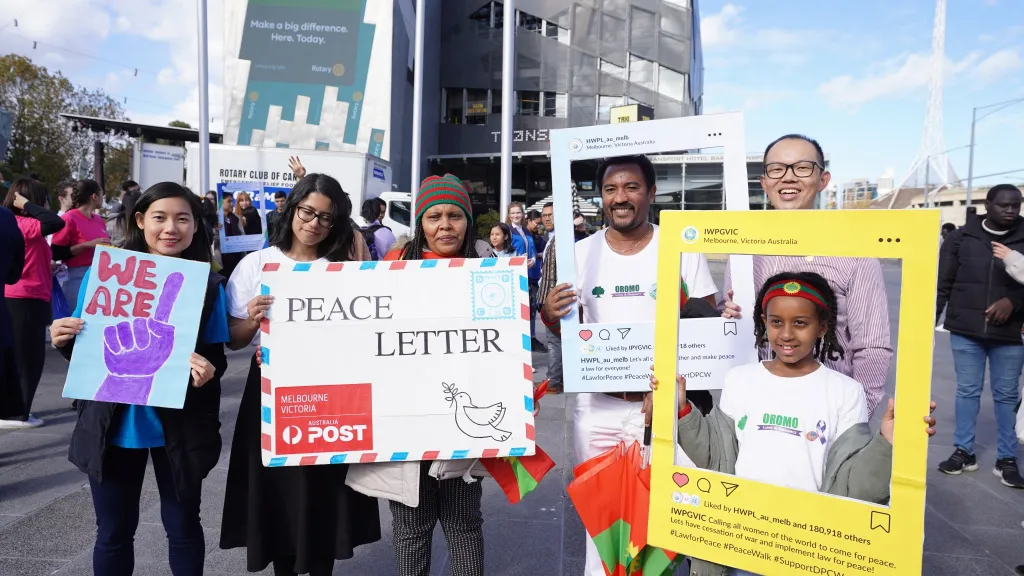
The ancient Oromo concept of nagaa, or holistic peace—encompassing harmony with nature, community, and self—offers a profound blueprint. It reminds us that peace is an active, interconnected state of being that must be nurtured. Similarly, initiatives like structured Peace Education, championed by organizations globally, provide the framework to institutionalize this teaching, moving it from the intuitive home into the formal classroom.
The swing set dilemma, therefore, is our daily classroom. When we guide a child through that moment with patience and principle, we are doing more than managing a playground tiff. We are writing a new script for humanity. We are rejecting the default curriculum of dominance and authoring one of mutual respect.
The most powerful tool for changing the world is not a weapon, but a lesson plan. The choice is not whether our children will be educated in conflict, but by whom. Will it be by the chaotic chorus of a violent world, or by our deliberate, loving voices, teaching them that the strongest bridge is built with words of understanding, and the most durable victory is a future shared in peace?
The lesson starts today. The teachers must be us.
Leave a Reply