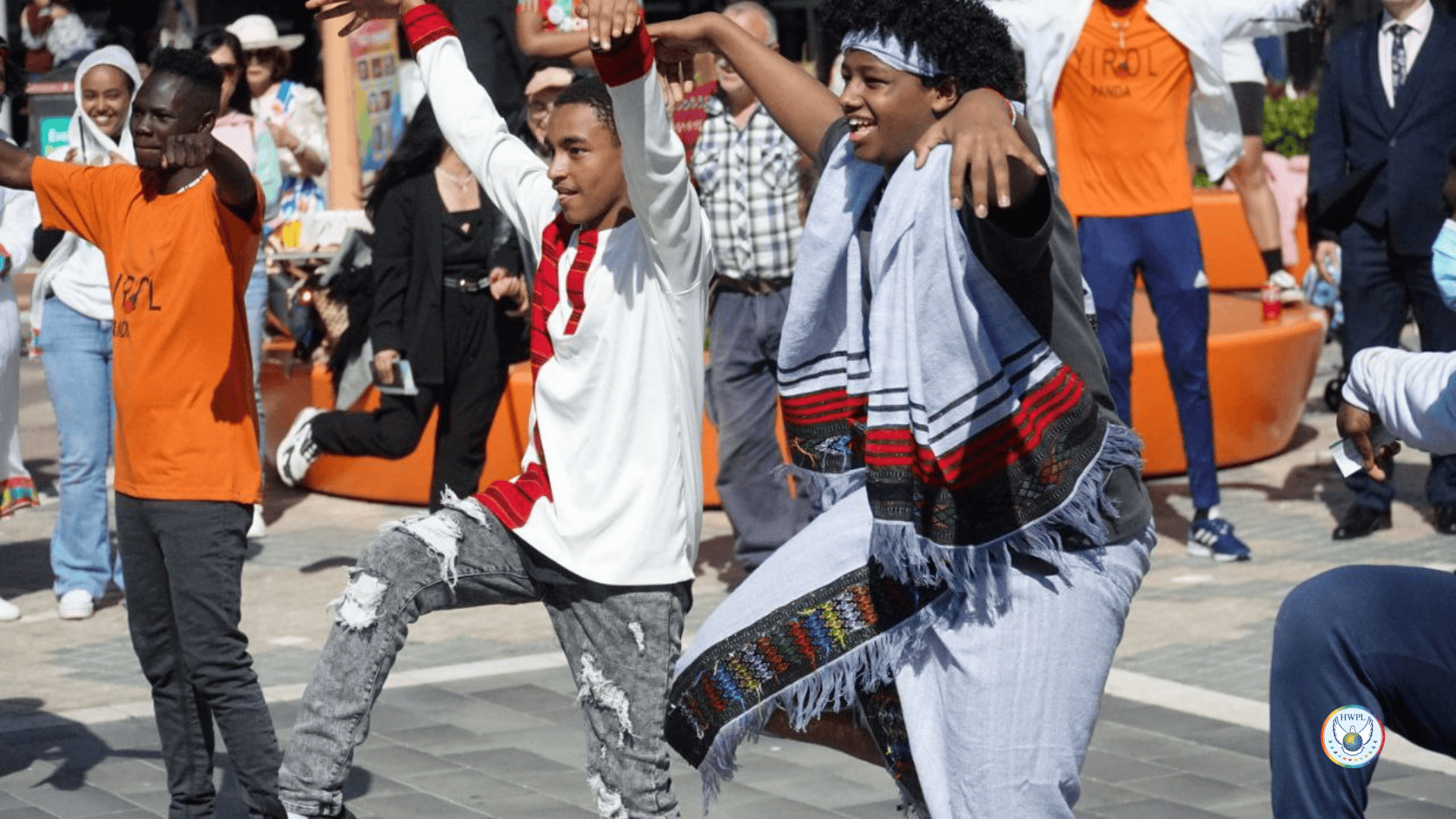

“Peace grows in the family” recognizes that societal peace is not built in parliaments or battlefields first, but in the home—the first school of human relations. To extend this to guaranteeing peace in Oromia, we must see the family as the foundational cell of the larger social organism.
Here is a framework for growing peace in the family to guarantee peace in Oromia, structured as an expanding circle of influence.
LEVEL 1: THE FAMILY AS THE MICROCOSM OF NAGAA
A. Principles for a Peaceful Oromo Family:
- Practice Safuu (Respect & Moral Balance) at Home:
- Children learn respect by seeing parents honor elders (Jaarsa).
- Establish clear moral boundaries with kindness, not violence.
- Model respect between spouses as the foundation for gender peace.
- Make the Home a Sanctuary of Nagaa Namaa (Peace Among People):
- Use conflict as a teaching moment. Replace shouting with dialogue. Use simple “I feel” statements.
- Practice forgiveness (Dhiifama) within the family. Don’t let grudges take root.
- Share meals without screens—create daily space for listening and sharing.
- Connect to Nagaa Lafa (Peace with Land):
- Garden together, even if small. Teach children the names of plants, trees, and birds in Afaan Oromoo.
- Practice environmental care (conserving water, planting trees) as a family ritual.
- Tell stories of the family’s connection to a specific region, river, or landscape in Oromia.
- Cultivate Nagaa Waaqa (Spiritual Peace):
- Start or end the day with a moment of gratitude or prayer that reflects your beliefs.
- Share proverbs (Mammaaksa) and stories that teach peace, patience, and wisdom.
- Encourage acts of kindness and service to neighbors.
B. Specific Family Rituals for Peace:
- Weekly Family Council: A short meeting where everyone speaks, problems are discussed calmly, and plans are made together.
- “Peace Corner”: A small, quiet space at home for calming down and reflection—not punishment.
- Storytelling Night: Share stories of ancestors, historical Oromo peacemakers, or personal challenges overcome with patience.
LEVEL 2: FROM FAMILY TO COMMUNITY—THE BRIDGE
The family’s peace must extend outward to create a peaceful community ecosystem.
- Model Peaceful Conflict Resolution: When families have disputes with neighbors, use elders (Jaarsa) or trusted community members to mediate, demonstrating the Gadaa principle of araara (reconciliation).
- Revive Community Peace Practices:
- Encourage participation in Irreechaa and other festivals as families.
- Support the Siiqqee institution—the women’s solidarity and peacemaking network. Mothers can form modern Siiqqee groups for mutual support and community problem-solving.
- Create “Extended Family” Networks:
- Form family clubs where children from different backgrounds play together.
- Organize intergenerational community work (jigee or daboo) on a local project, like cleaning a spring or repairing a path.
LEVEL 3: FROM COMMUNITY TO OROMIA—THE GUARANTEE
To guarantee Oromia, the values nurtured in millions of families must scale to become the region’s political and social culture.
- Educate for Peace Systematically:
- Parenting Programs: Teach the above family peace principles through community centers and places of worship.
- School Curriculum: Advocate for a school curriculum that includes:
- Oromo history, highlighting peacemakers and the Gadaa system.
- Social-emotional learning (managing emotions, empathy).
- Conflict resolution skills as a core subject.
- Build Economic Systems that Support Family Peace:
- Poverty and landlessness destroy family peace. Support for family farms, fair markets, and youth employment is peacebuilding.
- Champion women’s economic empowerment—financially secure women are pillars of family and community stability.
- Demand Governance that Mirrors Family Safuu:
- Raise children to expect leaders who are accountable, respectful, and servant-hearted—just as parents should be.
- Support political structures that reflect Gadaa principles: transparency, periodic leadership change, and inclusive decision-making.
- Reject political violence and hate speech as violations of the family-taught value of Safuu.
- Create a Cultural Shield Against Violence:
- Use art, music (sirba), and poetry (weedu) produced in families to glorify peace, courage, and love for the land, not hatred.
- Families must consciously counter the propaganda of ethnic hatred by teaching the history and humanity of neighboring peoples.
THE GUARANTEE: A VIRTUOUS CYCLE
This creates a self-reinforcing system:
Peaceful Families ➔ Peaceful, Cohesive Communities ➔ A Society that Demands and Upholds Just, Peaceful Governance ➔ A Stable, Prosperous Oromia ➔ A Safe Environment to Raise Peaceful Families.
The Ultimate Answer
We guarantee Oromia by raising a generation in families where Nagaa is lived daily. These children will:
- Be emotionally secure and less easily manipulated by hate.
- Value their culture and land enough to protect it constructively.
- Possess the skills to resolve conflicts without violence.
- Expect and demand leadership with integrity.
The family is where the Oromo nation is rebuilt every day. By planting the seeds of peace (Nagaa) in the fertile soil of the home, we grow the unshakable forest that will be the future Oromia—a society resilient enough to guarantee its own peace, dignity, and future. It starts at your dinner table, in your words, and in the lessons your children carry in their hearts.
Leave a Reply